Luxury
10-Day Skardu & Hunza Tour
Skardu • Shigar • Khaplu • Gilgit • Hunza 10 Days / 9 Nights 4.9
PKR 320,000for the group
about $1,100 · rate of 10 Sep 2026
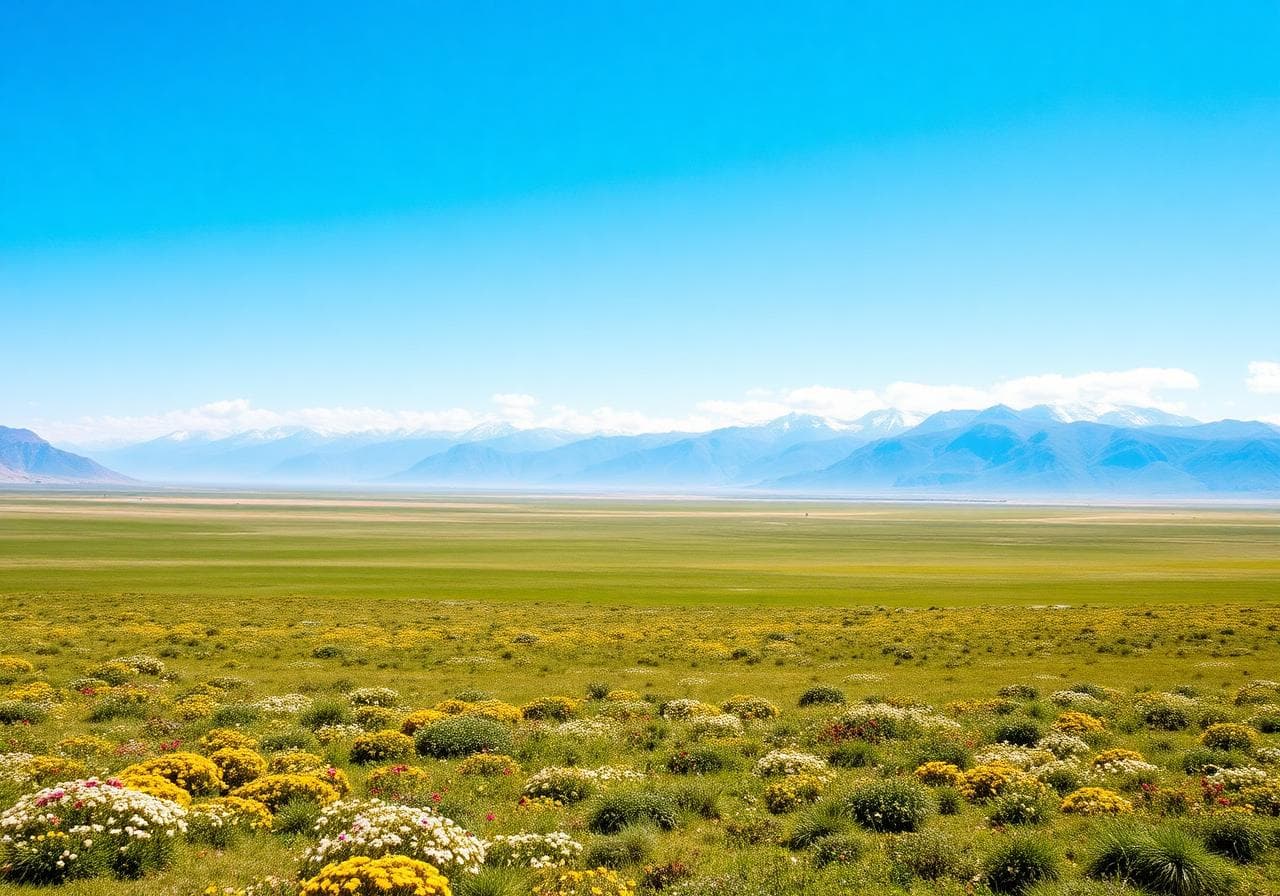
Skardu, Deosai, Shigar and Khaplu — the highlights of Little Tibet in one trip.
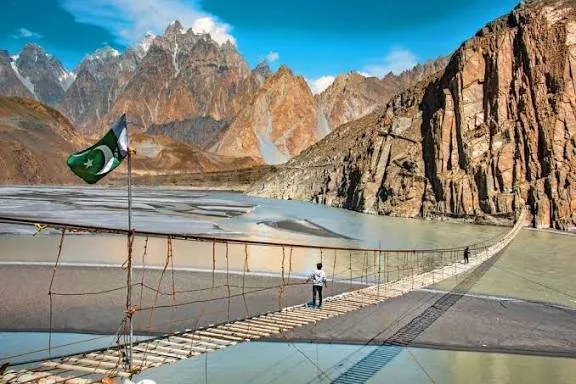
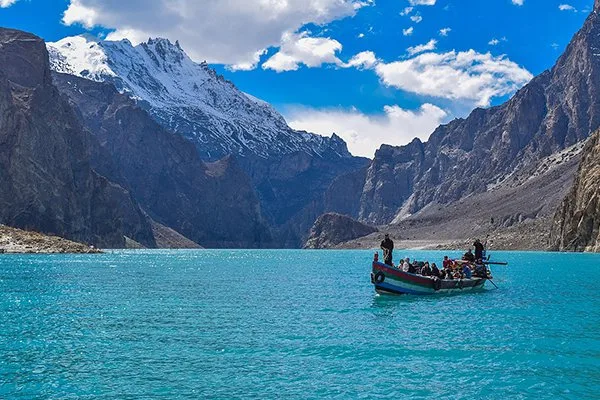
Our Baltistan tour packages are built around the eastern half of Gilgit-Baltistan — a high, dramatic land often called "Little Tibet". With Skardu as the base, a single trip can take in turquoise lakes, the vast Deosai plateau, restored mountain forts and the gateway valleys to the world's greatest peaks. This guide explains what to see, when to go and how to plan the journey.
Baltistan is the gateway to K2 and the Karakoram giants, but you do not need to be a climber to enjoy it. The headline experiences are Skardu and its Kachura lakes, the wildflower-covered Deosai Plains, the heritage forts of Shigar and Khaplu, and the cold sand dunes of the Katpana Desert. Most travellers combine these into one loop.
Baltistan's culture has deep Tibetan roots — the Balti language belongs to the Tibetic family, and the region was historically linked to Ladakh and Tibet before Islam arrived. Local rulers such as the Maqpon dynasty built forts and palaces across the valleys. Two of the finest, Shigar Fort and Khaplu Palace, have been carefully restored and now operate as heritage hotels, giving visitors a rare chance to stay inside centuries of history. The Balti people remain known for their warmth and their mountaineering skill.
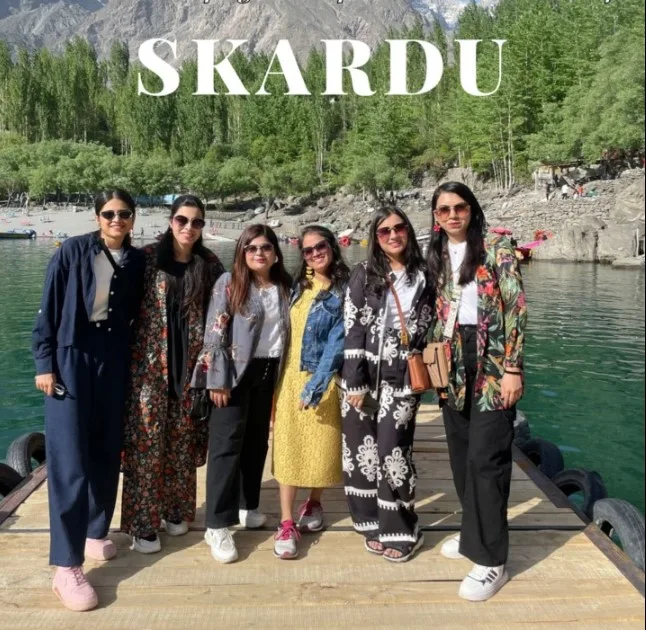
Skardu is the regional capital and the hub of every Baltistan trip. The famous Shangrila Resort sits on Lower Kachura Lake, while the deep, clear Upper Kachura Lake is a short walk away. Kharpocho Fort above the town offers a fine view over the Indus.
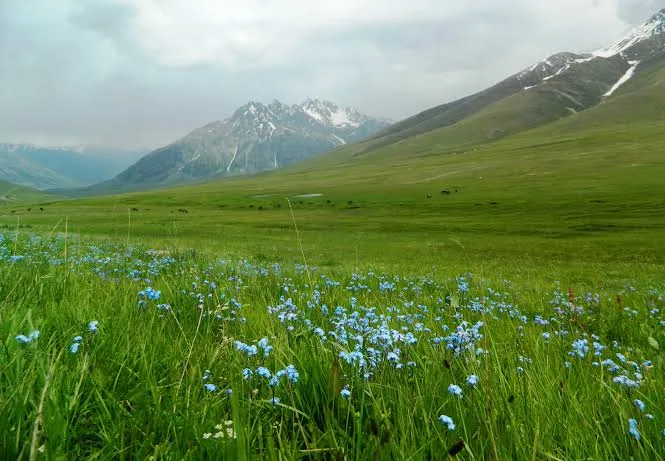
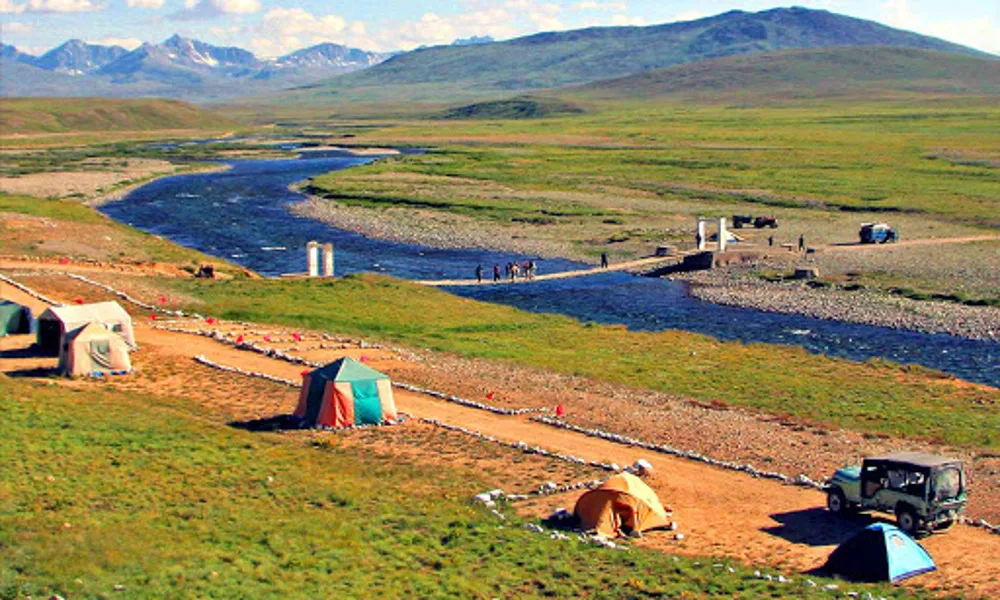
At around 4,000 metres, the Deosai Plains form one of the highest plateaus on earth. In summer they erupt with wildflowers and are home to the rare Himalayan brown bear. The mirror-like Sheosar Lake is the centrepiece and a highlight of any Deosai day trip.
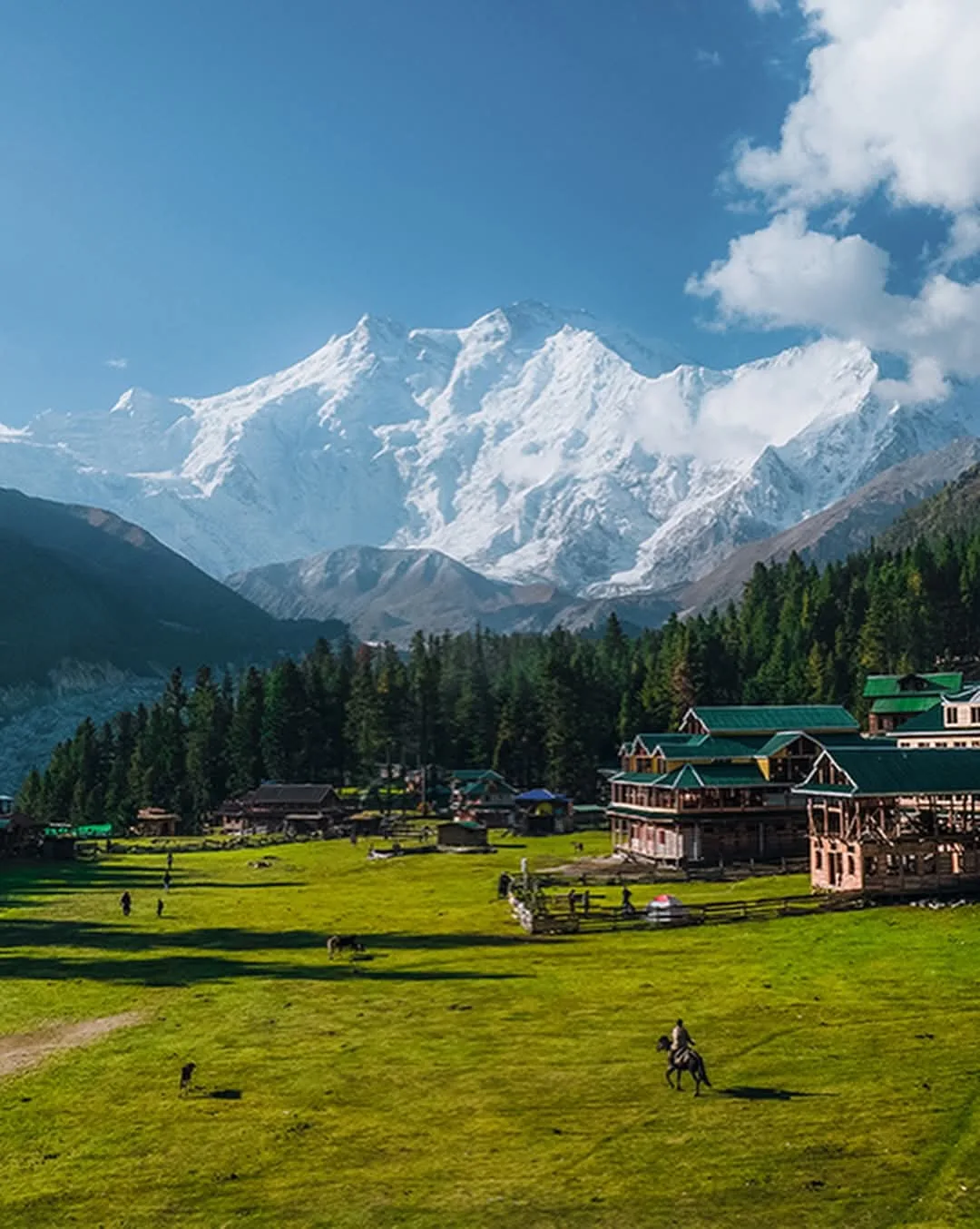
About an hour from Skardu, the green Shigar Valley leads towards the Baltoro trekking trailheads. Its 17th-century fort, restored as the Serena Shigar Fort, is both a museum and a hotel.
Khaplu, to the east, is one of the prettiest valleys in Baltistan. The 19th-century Khaplu Palace, now the Serena Khaplu Palace, anchors a relaxed village of apricot orchards and old mosques.
Near Skardu, the Katpana Desert is a surreal stretch of cold sand dunes set against snow peaks. To the south in Kharmang, the Manthoka Waterfall is a popular roadside stop.
By Air: The quickest way into Baltistan is the flight from Islamabad to Skardu, which takes about one hour and lands at Skardu International Airport. As with all northern flights, services depend on the weather, so build in a spare day.
By Road: By road, you follow the Karakoram Highway north to Jaglot, then turn onto the Skardu Road that hugs the Indus gorge for roughly 167 km. From Islamabad the full journey is around two days of driving — long, but among the most spectacular drives in Pakistan.
The main season for Baltistan tour packages runs from May to October. Deosai itself only opens once the snow melts, usually from around July to September. A few tips for a smooth trip:
Baltistan has some of the most characterful hotels in Pakistan. For heritage stays, the Serena Shigar Fort and Serena Khaplu Palace are hard to beat. In Skardu itself, the Shangrila Resort on Kachura Lake is a long-standing favourite, and the town has a wide choice of 3- and 4-star hotels and guesthouses for every budget. Our all-inclusive packages can be tailored to either luxury or standard accommodation.
Balti cuisine is simple, warming and shaped by the high-altitude landscape. Look out for mamtu (steamed dumplings), chapshuro (meat-filled bread) and prapu, a traditional buckwheat dish. Apricots are a regional treasure — eaten fresh, dried or pressed into oil — and meals are often finished with salt or butter tea and fresh trout from the rivers and lakes.
New to the region? Start with our Gilgit travel guide for the western gateway, or see detailed costs in the Skardu travel cost guide.
Travel Experts
Drag to browse — the row pauses while you read.
From your first WhatsApp message to final drop-off, we handle every detail so you can focus on the experience of a lifetime.
Operating Northern Pakistan tours since 2013. One of the most experienced GB operators.
Families, couples and corporate groups guided across the Karakoram since 2013.
A registered business invoicing under a company account. Travel insurance is not included — every package lists it under exclusions, and we recommend you arrange your own.
Resident teams in Hunza and Skardu give you real-time road updates and same-day pivots.
While you are travelling, the WhatsApp line is answered around the clock — usually inside five minutes.
Gilgit-Baltistan locals who run the Karakoram Highway, the Deosai crossing and the Raikot jeep track year-round.
Every trip is private — your own vehicle and driver, never a shared coach. Child-friendly hotels, and the pace is planned around the youngest and oldest in the group.
Book online and receive your confirmed itinerary on WhatsApp within 30 minutes.