Pakistan Travellers logo
Pakistan Travellers
Gilgit Baltistan Luxury Tours
Khunjerab Pass, Pak–China Border — travel guide & tours
Pak–China Border

Khunjerab Pass

The world's highest paved international border at 4,693 m.

Top Highlights

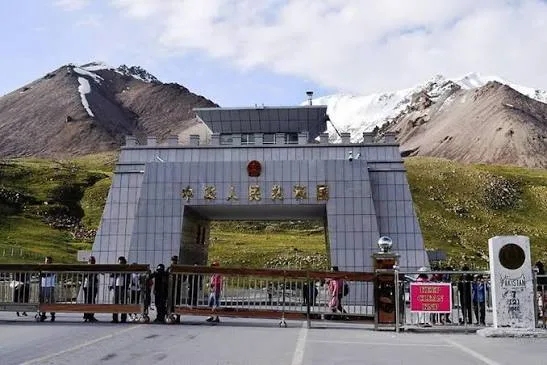
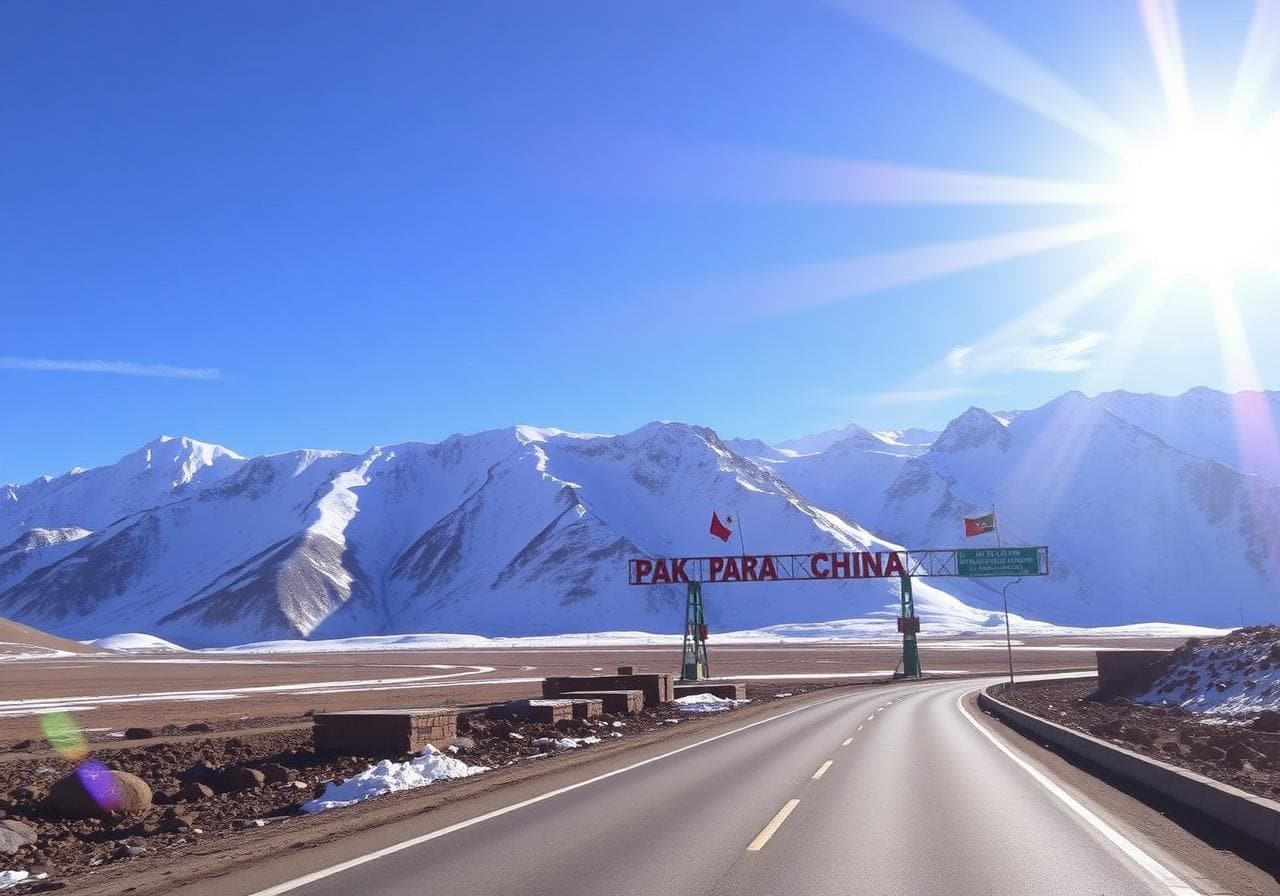
Pak-China Gate
Ibex Sightings
Snow All Year

History & Background

Khunjerab is the highest paved border crossing in the world, and the point where the Karakoram Highway leaves Pakistan for Xinjiang. The road itself took some twenty years to build and cost the lives of many of the workers who cut it out of the Karakoram, and the pass at the top turned a route that had been the preserve of caravans into one two countries could drive. The name is usually read as a compound of Wakhi words meaning valley of blood, a reference to the raiding this crossing was known for long before there was a road. The surrounding national park, created in 1975, was set up to protect the Marco Polo sheep whose range straddles the border.

Places to Visit in Khunjerab Pass

The border marker

The gate and marker stones at the top of the pass, on the line between Pakistan and China. This is the point almost everyone comes for.

Khunjerab National Park

The protected area the road climbs through, home to Marco Polo sheep, ibex and — very rarely seen — the snow leopard.

The climb from Sost

The last stretch of the Karakoram Highway, rising continuously through bare high country with the road visible far ahead.

Sost and Gojal

The last town before the pass, and the dry port where cross-border traffic is handled.

How to Get to Khunjerab Pass

By Air

Fly to Gilgit and continue up the Karakoram Highway through Hunza. The Hunza page describes that journey.

By Road

The pass is the top of the Karakoram Highway, reached through Hunza and Gojal and then Sost, the last town before the climb. The road is metalled to the border. Everything above Sost is subject to the season, weather and border authority timings.

Local Transport: The highway is paved the whole way, so a 4x4 is not required for the pass itself. What matters more is the altitude and the length of the day out from Hunza.

Best Time to Visit & Travel Tips

Seasons

  • Summer (Jun–Sep)The dependable window, with the road open and the high country clear.
  • Autumn (Oct)Still possible early in the month and exceptionally clear, but the season is closing.
  • Winter and springClosed by snow. The reopening is announced by the border authorities each year.

Pro Tips

  • The pass is subject to the season, weather and border authority timings.
  • It closes over winter, and the reopening date is decided by the authorities rather than by any operator.
  • The air is thin at the top. Move slowly, do not run for photographs, and tell your driver immediately if anyone feels unwell.
  • Carry your CNIC or passport — identity is checked on the way up.
  • There is nothing to buy at the top. Take water and a warm jacket even on a hot day in Hunza.

Where to Stay

Nobody stays at the pass — there is no accommodation there and it is visited and left the same day. Trips are based in Hunza, or in Sost or Passu for an earlier start. Hotels are booked to the category you choose — subject to availability; if a listed property is unavailable we arrange an equivalent property of the same category and tell you before booking.

Local Food & Cuisine

Eating is done lower down — Sost, Passu and Gulmit have the nearest cafés, and Gojal's apricot, walnut and buckwheat dishes are the local speciality. There is no food service at the pass.
Tours in Khunjerab Pass

Khunjerab Pass Travel Guide

Khunjerab Pass Travel Tips & Guides

All guides

Khunjerab Pass Travel FAQs

Not on a day trip. The pass is an official crossing between Pakistan and China, but going through it requires the correct visa and the border being open to travellers. Visitors go up to the marker, spend time at the top and come back down.

Through the summer months. It closes over winter under snow, and the reopening date each year is set by the border authorities — it is subject to the season, weather and border authority timings, and no operator can commit to it in advance.

It is high, and the climb from Hunza is quick. Most people feel nothing worse than breathlessness, but headaches and nausea do happen. The remedy is to move slowly at the top and then come down, which is what the itinerary does anyway.

No permit is required to go up to the pass, but identity is checked on the way and there is a national park fee. Carry your CNIC or passport.
Top Picks

Explore More Destinations

Hunza Valley tourism Pakistan
Gilgit Baltistan

Hunza Valley

Skardu tourism Pakistan
Gilgit Baltistan

Skardu

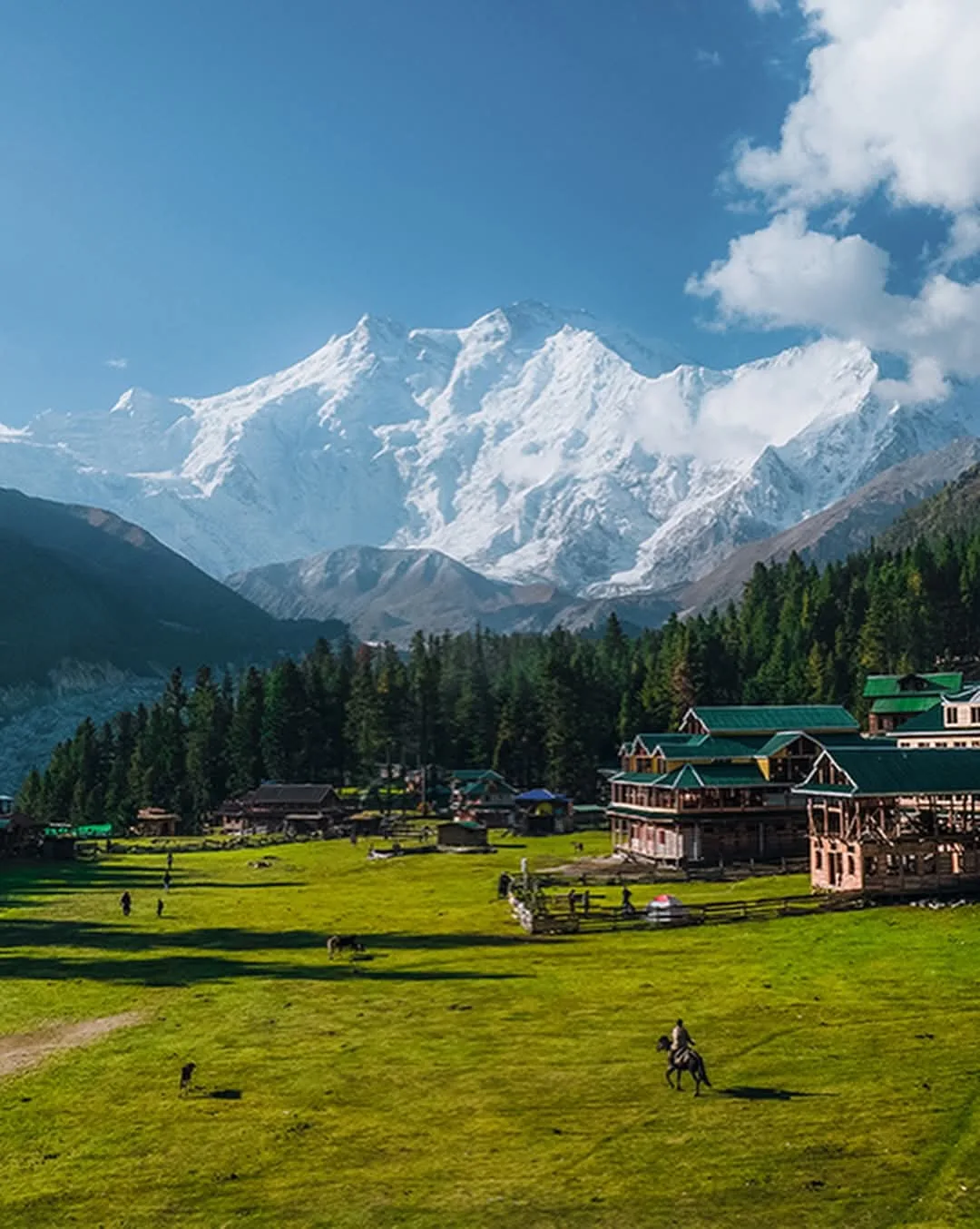
Fairy Meadows tourism Pakistan
Diamer

Fairy Meadows

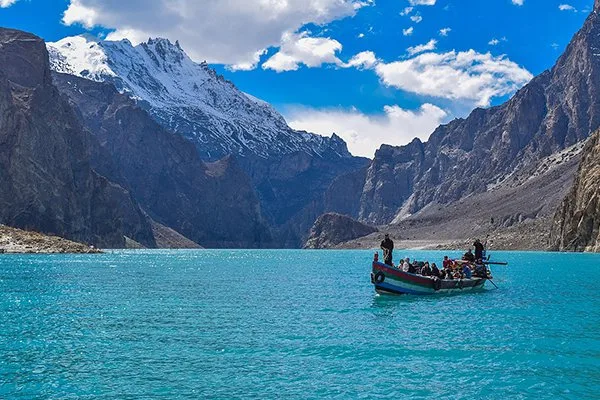
Attabad Lake tourism Pakistan
Hunza

Attabad Lake

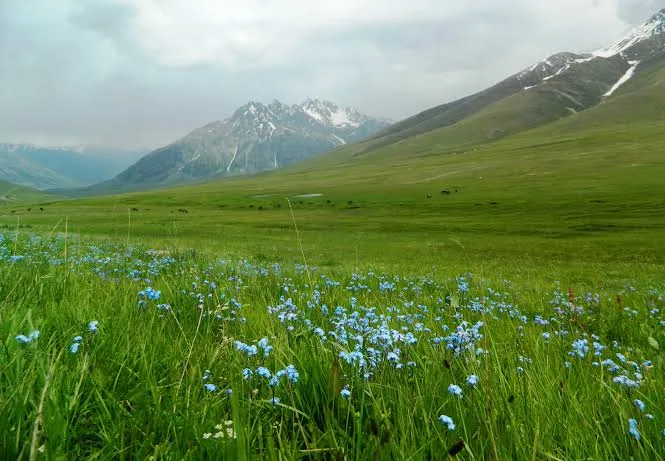
Deosai Plains tourism Pakistan
Skardu

Deosai Plains

Naltar Valley tourism Pakistan
Gilgit

Naltar Valley