Luxury
10-Day Skardu & Hunza Tour
Skardu • Shigar • Khaplu • Gilgit • Hunza 10 Days / 9 Nights 4.9
PKR 320,000for the group
about $1,100 · rate of 10 Sep 2026
Everything you need to plan a trip to the heart of Gilgit-Baltistan.
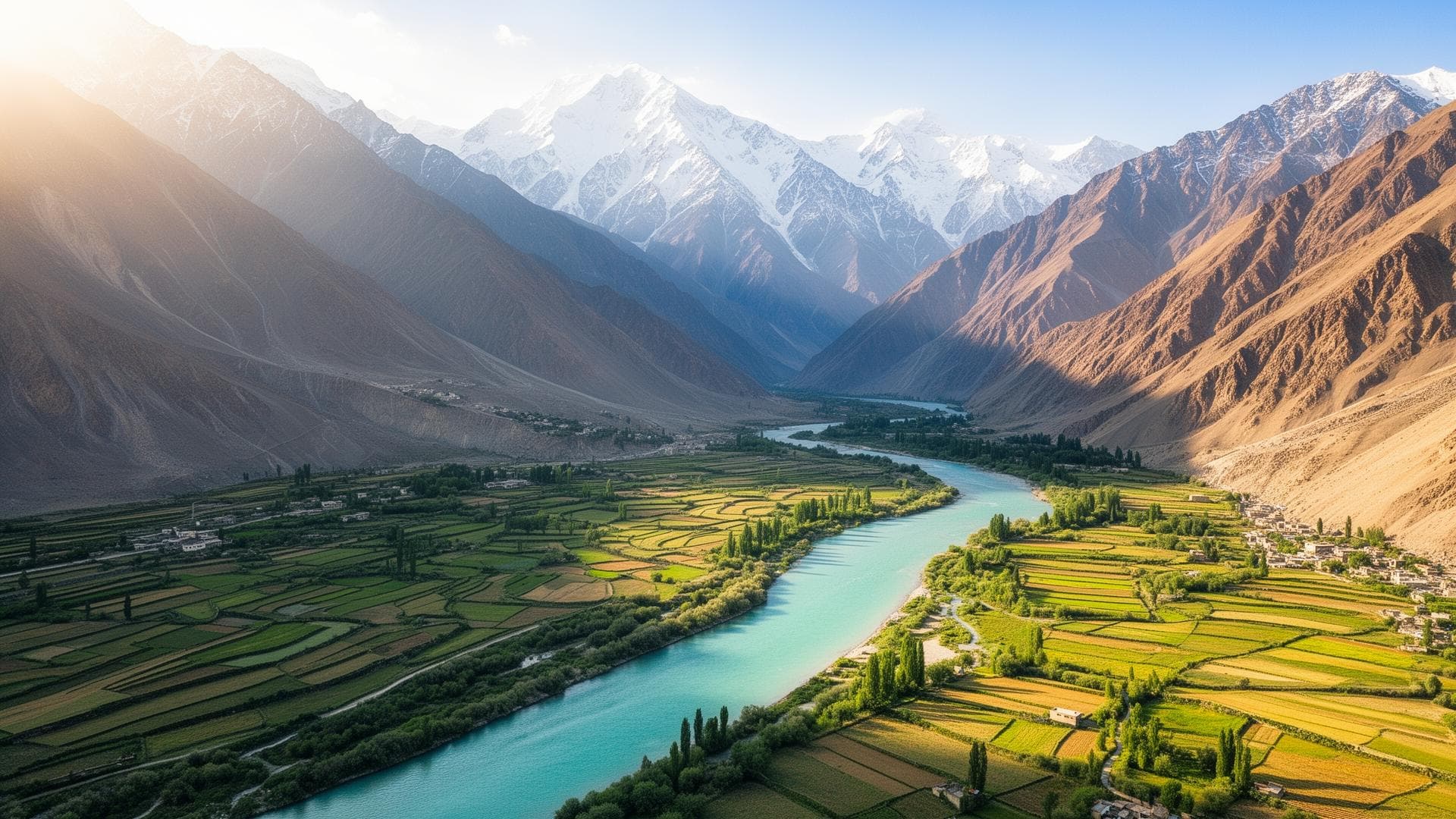
This Gilgit travel guide brings together everything a first-time visitor needs — the top sights, a little history, how to reach the city by air and by road, when to go, where to sleep and what to eat. Sitting at roughly 1,500 metres on the banks of the Gilgit River, Gilgit is the administrative capital of Gilgit-Baltistan and the natural gateway to the wider Karakoram region.
Gilgit is where three of the world's greatest mountain ranges — the Karakoram, the Himalaya and the Hindu Kush — meet. The city is the main hub on the Karakoram Highway and the launch point for trips to Hunza, the Naltar Valley and Khunjerab Pass. Highlights include the 7th-century Kargah Buddha rock carving, the rainbow lakes of Naltar, and sweeping views of Rakaposhi on the road north.
Gilgit has been a crossroads for more than a thousand years. It sat on a branch of the ancient Silk Road, and the region carries a strong Buddhist legacy — the standing Buddha carved into the cliff at Kargah dates to around the 7th century CE. Local dynasties ruled the valley for centuries before it became the British-administered Gilgit Agency in the late 19th century. The Gilgit Scouts played a central role in the events of November 1947 that led to the region joining Pakistan. Today the population speaks a mix of languages, including Shina and Burushaski, reflecting that long history of trade and migration.
About 10 km from the city, a large Buddha is carved into a rock face above the Kargah Nullah. It is one of the most important Buddhist-era relics in Northern Pakistan and an easy half-day trip from town.
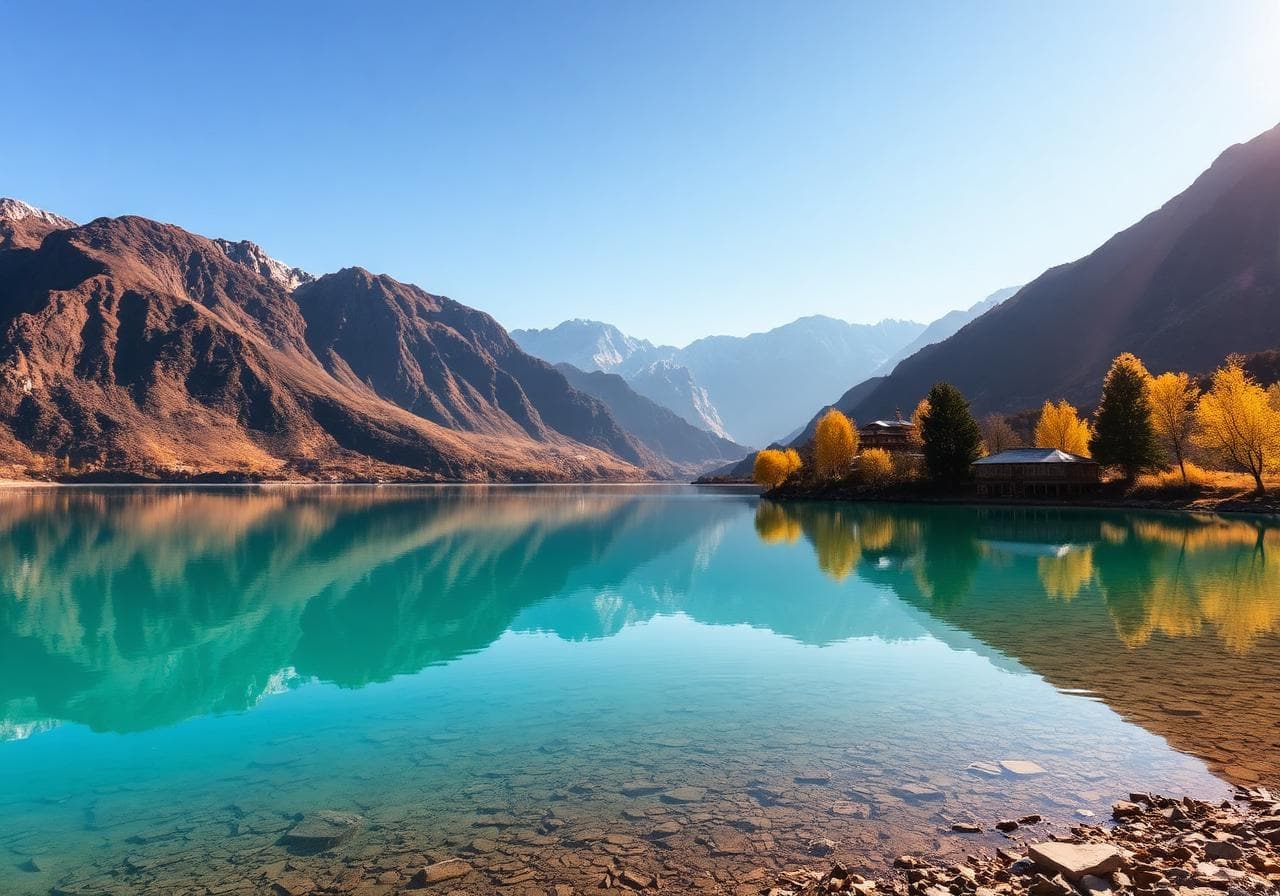
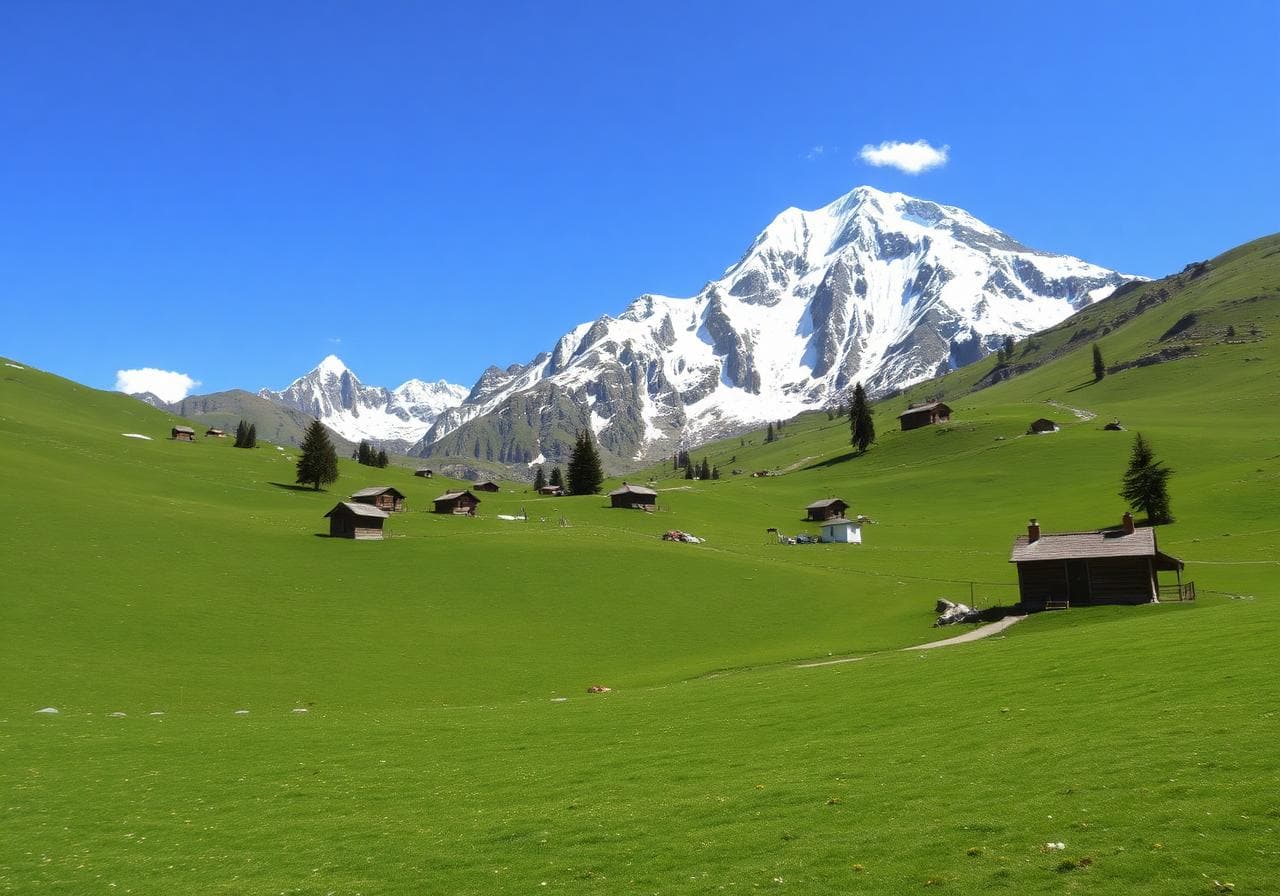
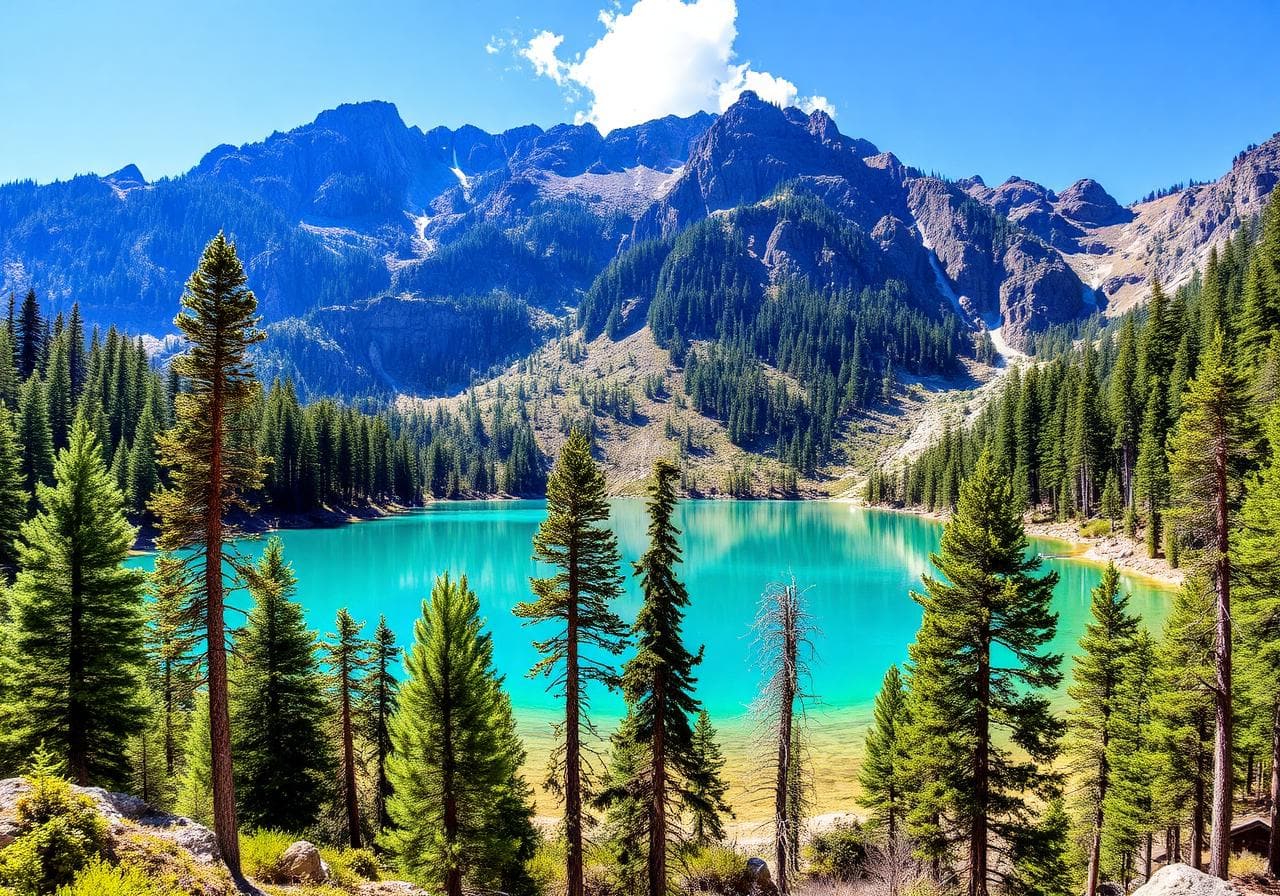
Roughly 40 km from Gilgit, the Naltar Valley is famous for its pine forests, alpine meadows and the vivid blue-green Naltar Lakes. It is also home to a ski resort and is reached by jeep along a rough but spectacular track.
South of the city near Jaglot, a marked viewpoint shows the meeting point of the Karakoram, Himalaya and Hindu Kush ranges, close to where the Gilgit River joins the Indus. It is a popular photo stop on the way in or out.
The lively city bazaar is the place to pick up dried apricots, walnuts, gemstones and Gilgiti caps. Nearby, the old Danyore-area suspension bridges over the river are a classic Gilgit experience.
On the Karakoram Highway between Gilgit and Hunza, the viewpoint at Ghulmet looks straight up at Rakaposhi (7,788 m), one of the few places on earth where you can see such a high peak from a roadside café.
By Air: PIA operates flights from Islamabad to Gilgit that take about 50–60 minutes and pass close to Nanga Parbat on a clear day. These flights are weather-dependent and can be delayed or cancelled, so it is wise to keep a buffer day in your plan and book early.
By Road: Gilgit is around 600 km from Islamabad along the Karakoram Highway (N-35), via Mansehra, Besham and Chilas. Gilgit is on the Hunza road and a little short of it, so the drive is under the 13–14 hours that run through to Hunza, depending on stops and road conditions. In summer, the scenic alternative is the route over Babusar Top from Naran, which is usually open from about July to September.
The best time to visit Gilgit is from April to October. Spring brings cherry and apricot blossom, summer is pleasantly warm while the plains swelter, and October paints the valleys gold. Winters are cold and some high passes close. A few practical tips:
Gilgit has accommodation for every budget. At the top end, the Gilgit Serena Hotel offers full-service luxury with gardens and mountain views. The PTDC Chinar Inn is a reliable mid-range choice, and the city also has a good range of 3-star hotels and family-run guesthouses. If you plan to stay in Naltar, options are simpler — mostly guesthouses and a PAF-linked rest house — so book ahead in peak season.
Gilgiti and Balti food is hearty mountain fare. Try chapshuro (a meat-filled baked bread), mamtu (steamed dumplings) and harissa, a slow-cooked meat and wheat dish. Apricots appear everywhere — fresh, dried, as oil and in soups — alongside walnuts and mulberries. Fresh river trout and a warming cup of salt or butter tea round off most meals.
Planning to go further east? Pair this trip with our Baltistan tour packages guide, or read about reaching the north in our Hunza by air vs road comparison.
Travel Experts
Drag to browse — the row pauses while you read.
From your first WhatsApp message to final drop-off, we handle every detail so you can focus on the experience of a lifetime.
Operating Northern Pakistan tours since 2013. One of the most experienced GB operators.
Families, couples and corporate groups guided across the Karakoram since 2013.
A registered business invoicing under a company account. Travel insurance is not included — every package lists it under exclusions, and we recommend you arrange your own.
Resident teams in Hunza and Skardu give you real-time road updates and same-day pivots.
While you are travelling, the WhatsApp line is answered around the clock — usually inside five minutes.
Gilgit-Baltistan locals who run the Karakoram Highway, the Deosai crossing and the Raikot jeep track year-round.
Every trip is private — your own vehicle and driver, never a shared coach. Child-friendly hotels, and the pace is planned around the youngest and oldest in the group.
Book online and receive your confirmed itinerary on WhatsApp within 30 minutes.