Luxury
10-Day Skardu & Hunza Tour
Skardu • Shigar • Khaplu • Gilgit • Hunza 10 Days / 9 Nights 4.9
PKR 320,000for the group
about $1,151
A complete seasonal guide to planning your perfect Hunza trip in 2026.
Hunza works year-round, but the two headline windows are cherry blossom from late March to mid-April and autumn gold in September and October. For a first-time visitor, Pakistan Travellers points to the first week of October, which combines autumn colour, comfortable weather, open roads and clear mountain views. Winter brings snow, solitude and a closed Babusar Pass.
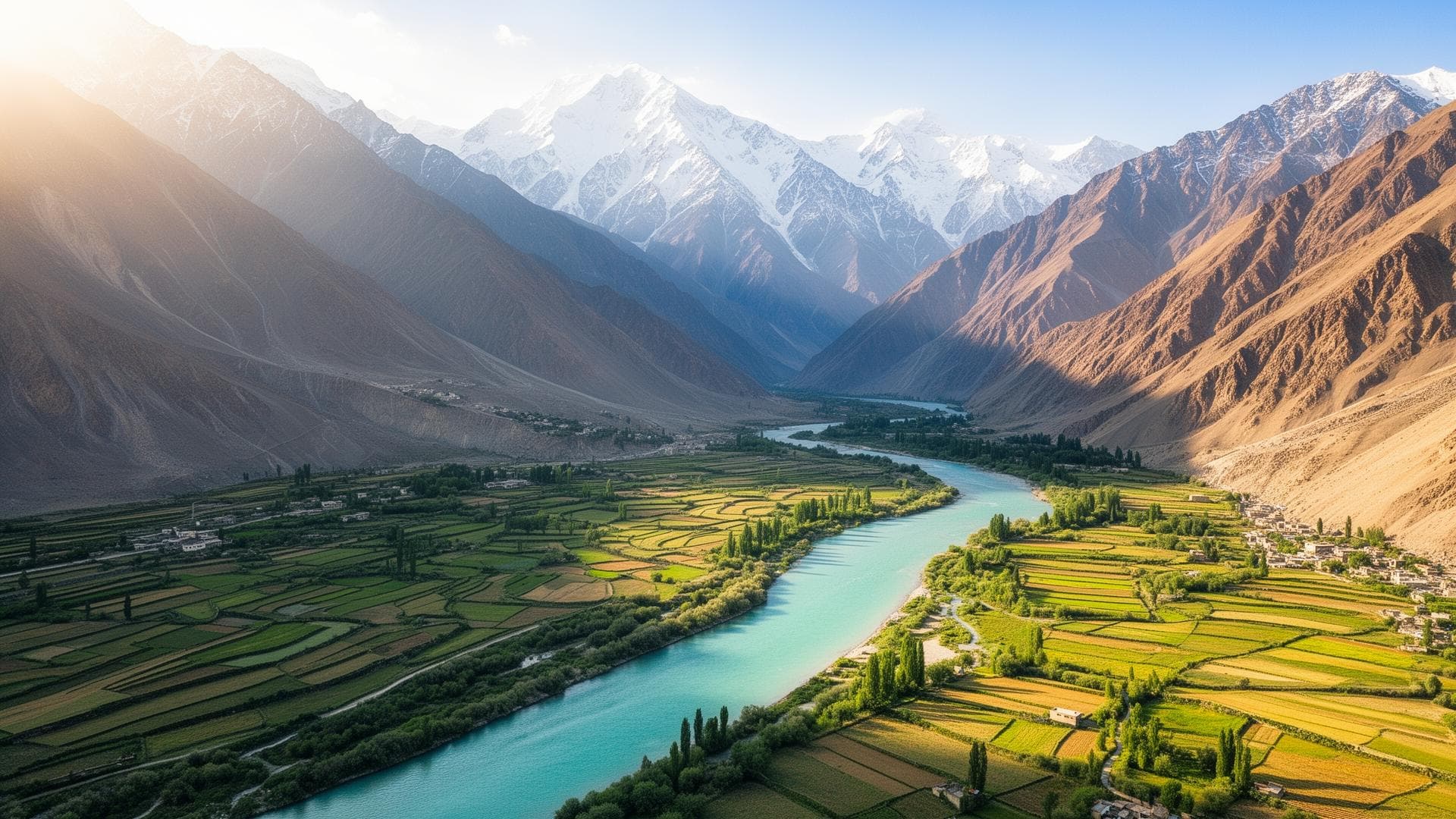
Hunza Valley is one of those rare destinations where every season tells a completely different story. Spring blankets the terraces in cherry and apricot blossoms, summer fills the orchards with fruit and laughter, autumn turns the entire valley into a slow-burning gold, and winter strips it back to a silent, snow-dusted dream. This month-by-month guide is written from years of running tours through the Karakoram — so you'll know exactly what to expect, what to pack, and how to time your trip around the experience you want most.
March is the soft opening of Hunza's tourist season. Daytime temperatures climb from 8°C to about 15°C, nights still drop near freezing, and the first apricot blossoms appear in the lower villages of Ganish and Aliabad around the third week. Hotels are at 50–60% capacity, prices are noticeably lower than April, and you'll often have viewpoints like Duikar entirely to yourself. The road from Chilas is fully open and the snow on the surrounding peaks is still spectacular.
This is the headline month. From the first week of April through about April 20th, the valley explodes in pink, white and pale-rose blooms. Karimabad, Altit, Hopper and Nagar are all worth photographing, and Khunjerab Pass usually opens between April 1st and April 5th. Hotels book out three to four months in advance, so plan early. Pack layers — afternoons feel like spring but mornings at 2,500m altitude can be sharply cold.
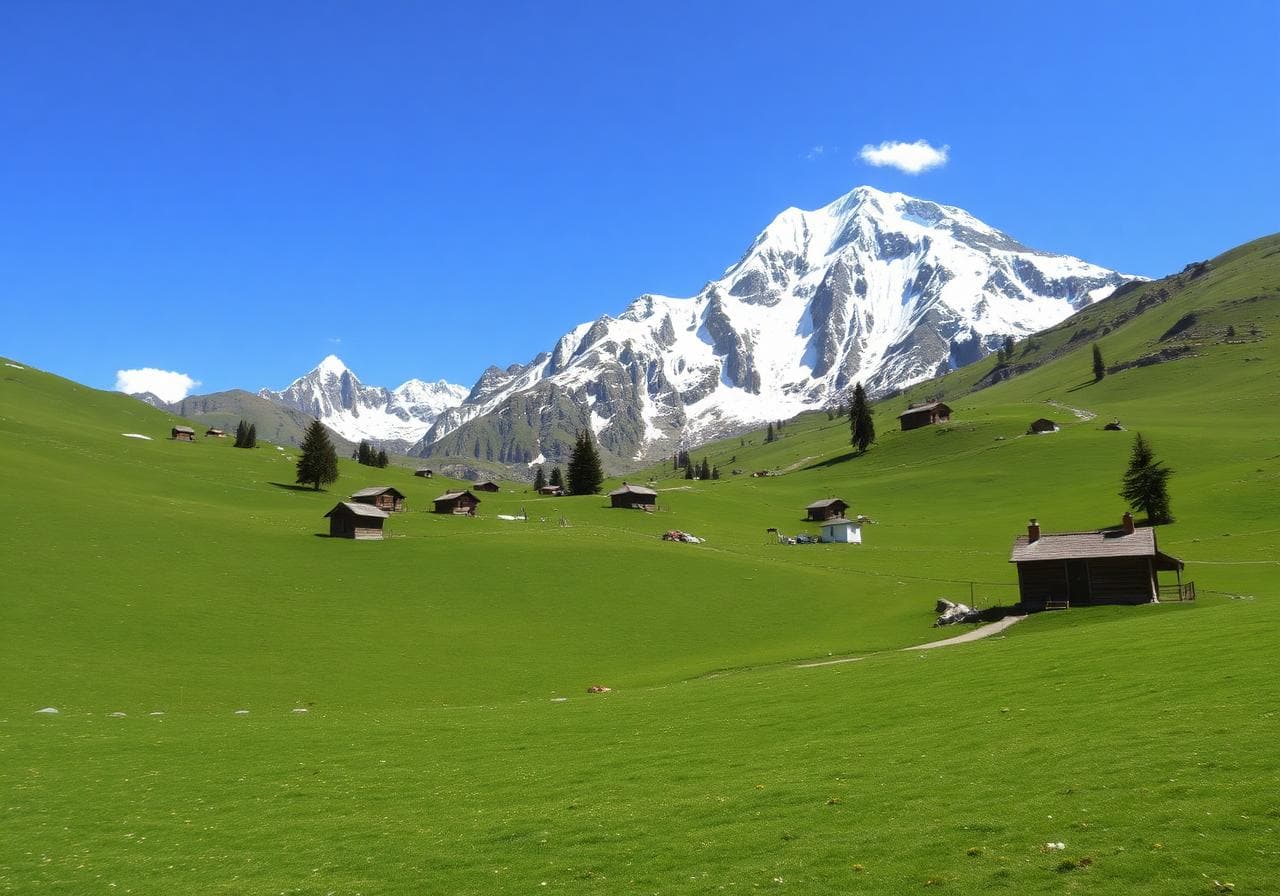
Blossoms give way to vivid green terraces. By mid-May the Babusar Pass opens, shortening the road journey from Islamabad to roughly 12 hours. Days are warm (20–25°C), rivers run high and clear, and the high lakes like Rush and Borith become accessible. May is the sweet spot for travellers who want good weather without April's crowds.
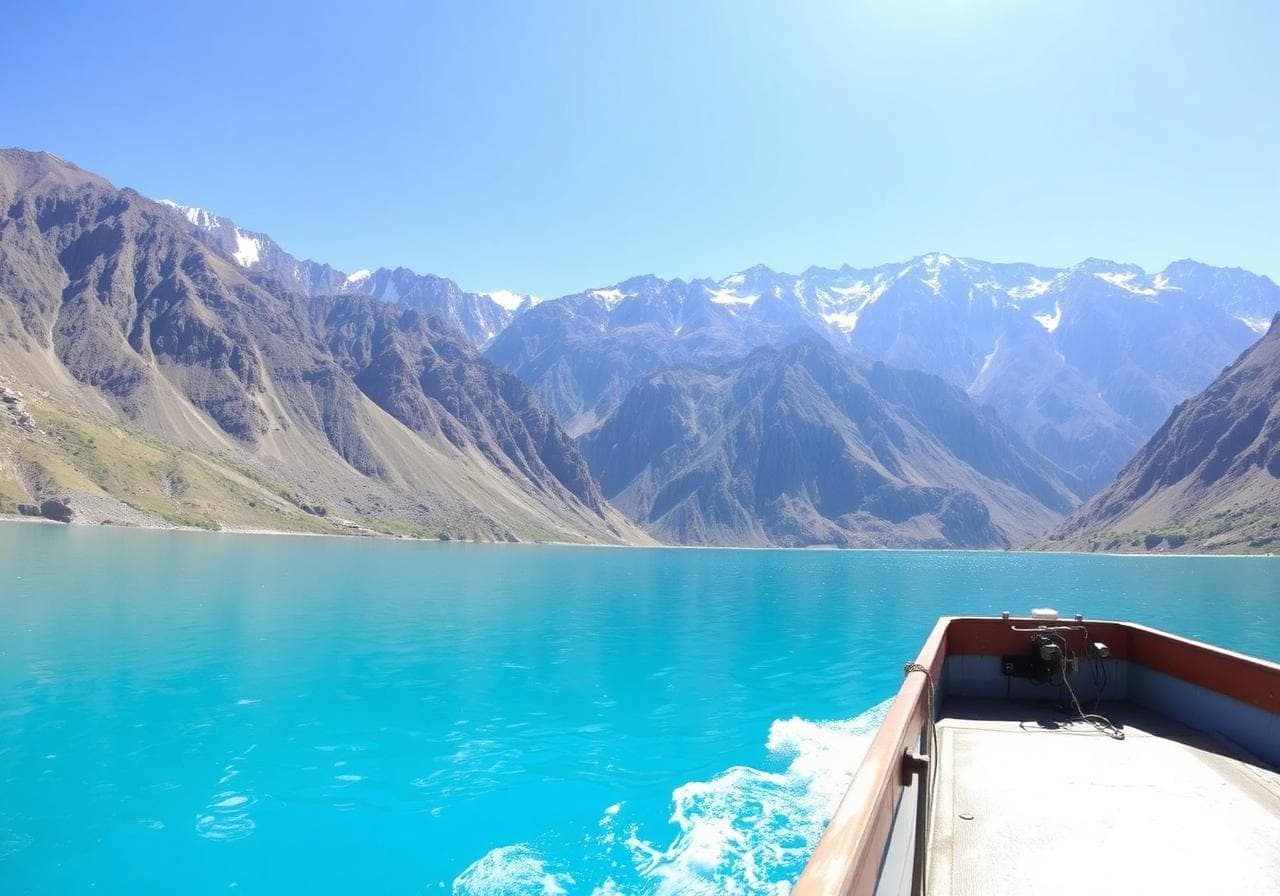
These are the busiest months. School holidays bring family groups from Karachi, Lahore and Islamabad, Khunjerab Pass is fully open to China, and every high-altitude lake — Attabad, Borith, Rush, Naltar — is at its bluest. Expect daytime temperatures of 25–30°C in central Hunza and pleasant 18–22°C evenings. July sees occasional monsoon showers but Hunza sits in a rain shadow, so disruption is minimal. Book hotels, jeeps and PIA flights at least 60 days ahead during this window.
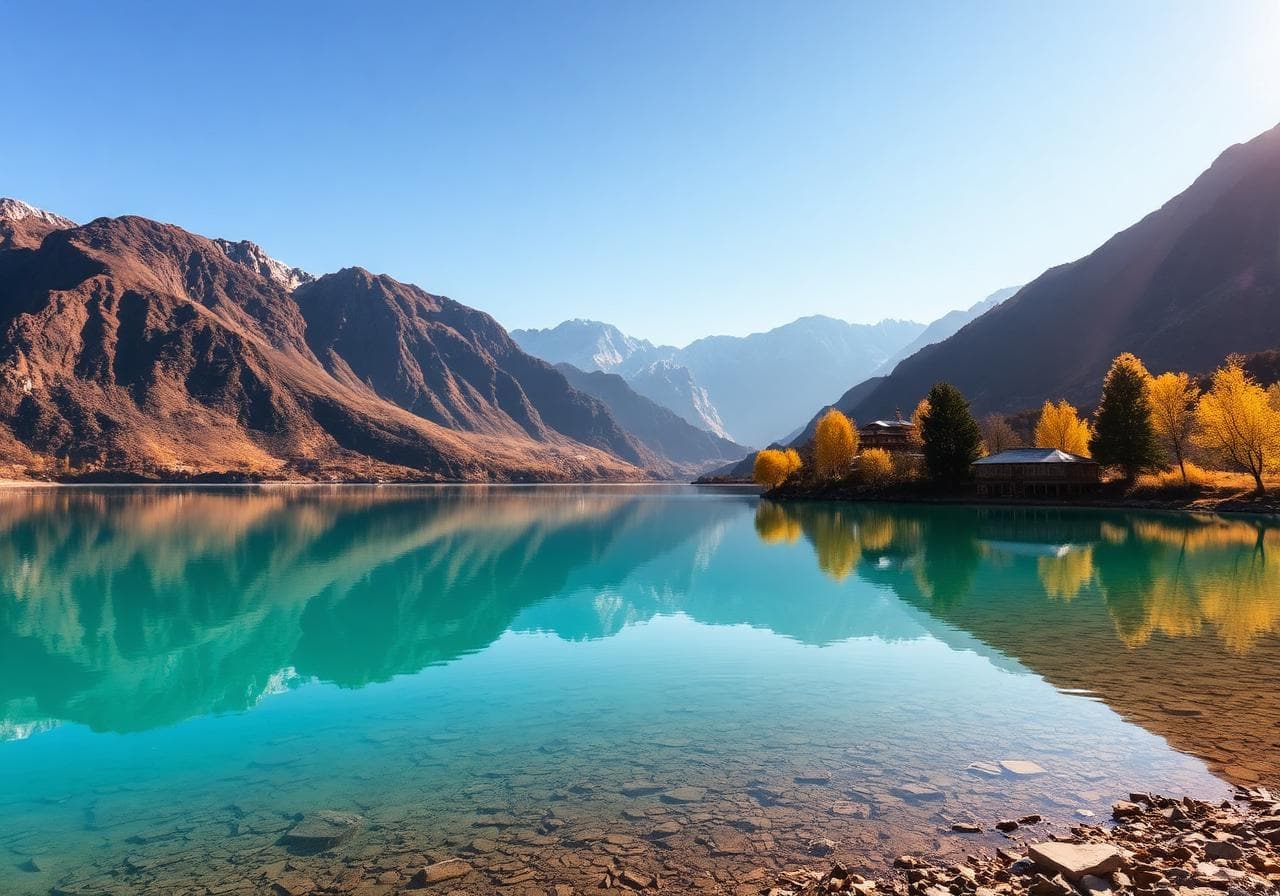
For photographers and honeymoon couples, this is the most beautiful season in Hunza. Poplars and apricot trees turn brilliant yellow and orange, and the window runs roughly mid-October into the first week of November — a fortnight rather than a month, moving each year with the first hard frost. Skies are sharp and clear, Rakaposhi and Ladyfinger Peak look closer than ever, and crowds drop back significantly after the second week of September. Nights are near freezing by late October, so carry more than a fleece. Autumn in Hunza & Skardu explains how to time it, including the altitude rule that decides which villages turn first.
Winter Hunza is a different country. Temperatures hover between -5°C and 8°C during the day, the Babusar Pass closes, and many hotels operate on skeleton staff. But Attabad Lake freezes into a glassy turquoise, snowfall covers the orchards, and luxury options like Serena Inn and Eagle's Nest run cosy winter packages with heated rooms and roaring fireplaces. This is the season for travellers who want solitude and once-in-a-lifetime winter photography.
If we had to pick one window for a first-time visitor, it would be the first week of October. You get autumn colours, comfortable weather, open roads, manageable crowds and clear mountain views. For blossoms, target April 5–15. For families with kids, late June through early August is unbeatable. For solitude and snow, plan for January.
Whichever season you choose, our team builds itineraries around real-time road, weather and hotel conditions. Browse our curated Hunza tour packages or request a custom itinerary and we'll respond on WhatsApp within 30 minutes. Planning the wider trip rather than just this valley? Best time to visit Pakistan sets out the whole northern season month by month, and the Karakoram Highway road trip covers the road that gets you here.
Travel Expert
Local mountain guides and trip designers based in Hunza and Rawalpindi.
Drag to browse — the row pauses while you read.
From your first WhatsApp message to final drop-off, we handle every detail so you can focus on the experience of a lifetime.
Operating Northern Pakistan tours since 2013. One of the most experienced GB operators.
Families, couples and corporate groups guided across the Karakoram since 2013.
A registered business invoicing under a company account. Travel insurance is not included — every package lists it under exclusions, and we recommend you arrange your own.
Resident teams in Hunza and Skardu give you real-time road updates and same-day pivots.
While you are travelling, the WhatsApp line is answered around the clock — usually inside five minutes.
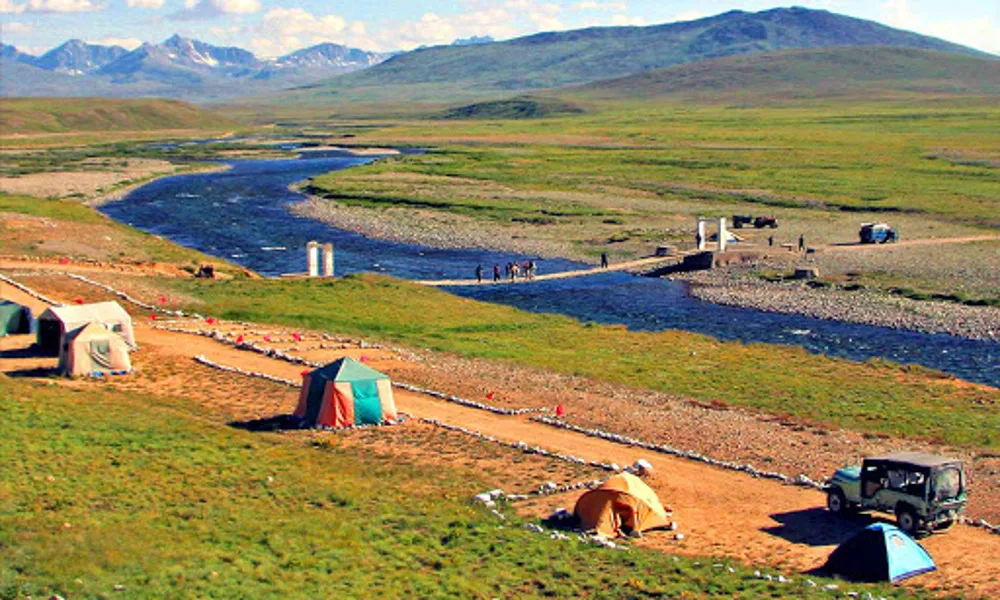
Gilgit-Baltistan locals who run the Karakoram Highway, the Deosai crossing and the Raikot jeep track year-round.
Every trip is private — your own vehicle and driver, never a shared coach. Child-friendly hotels, and the pace is planned around the youngest and oldest in the group.
Book online and receive your confirmed itinerary on WhatsApp within 30 minutes.