Family
10-Day Gilgit-Baltistan Family Tour (By Air)
Skardu • Hunza • Gilgit 10 Days / 9 Nights 4.9
PKR 417,500for the group
about $1,502
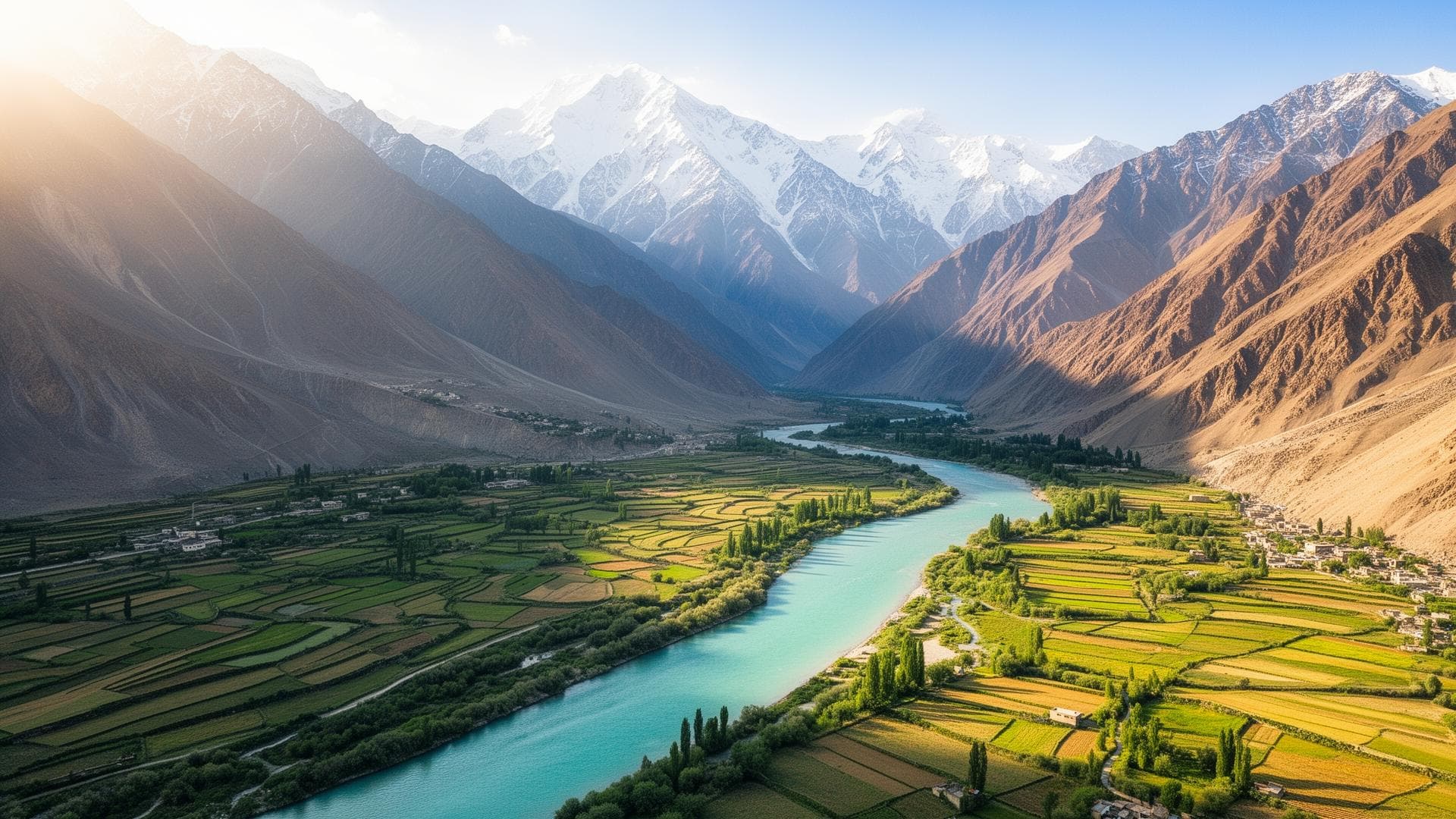
Islamabad to the Chinese border at 4,693 metres — stage by stage, with the parts nobody warns you about.
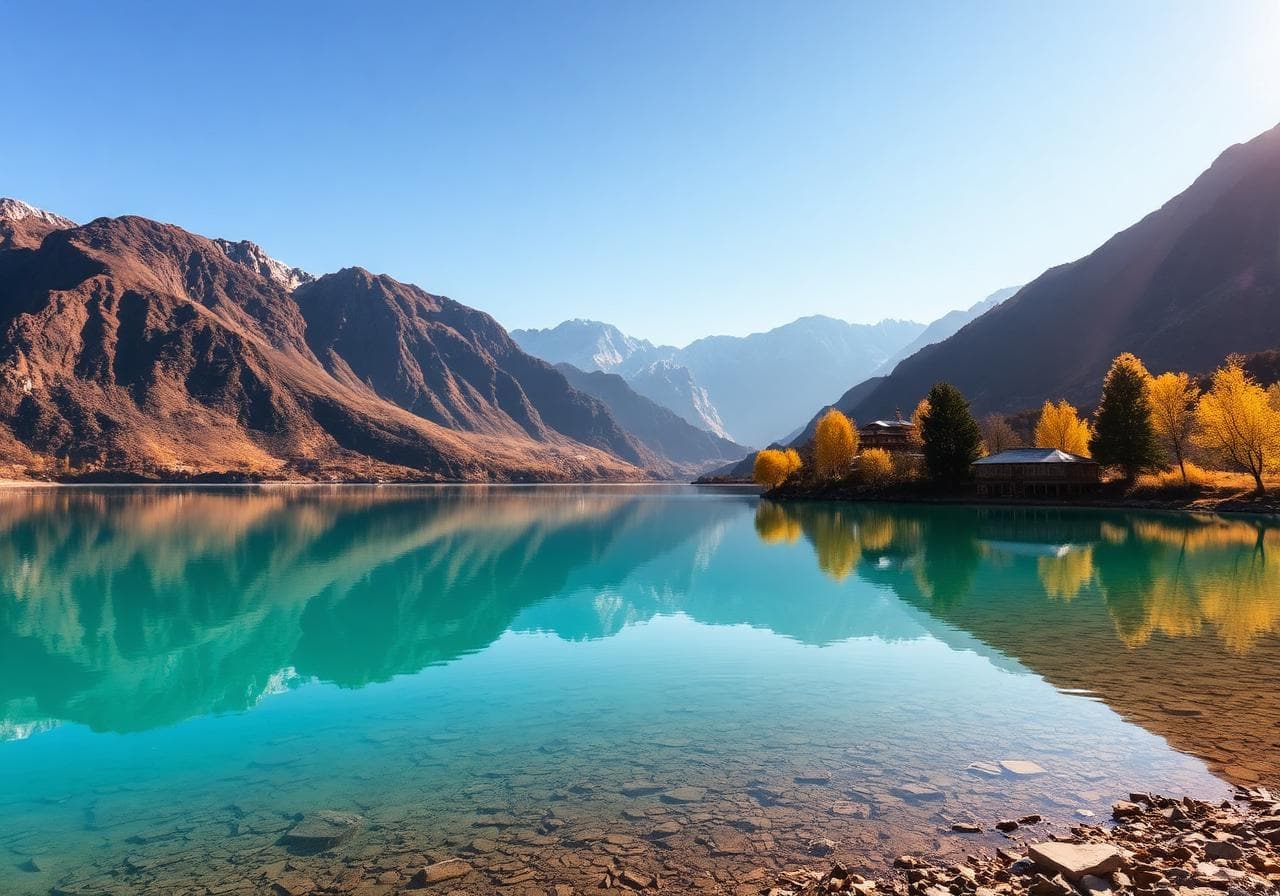
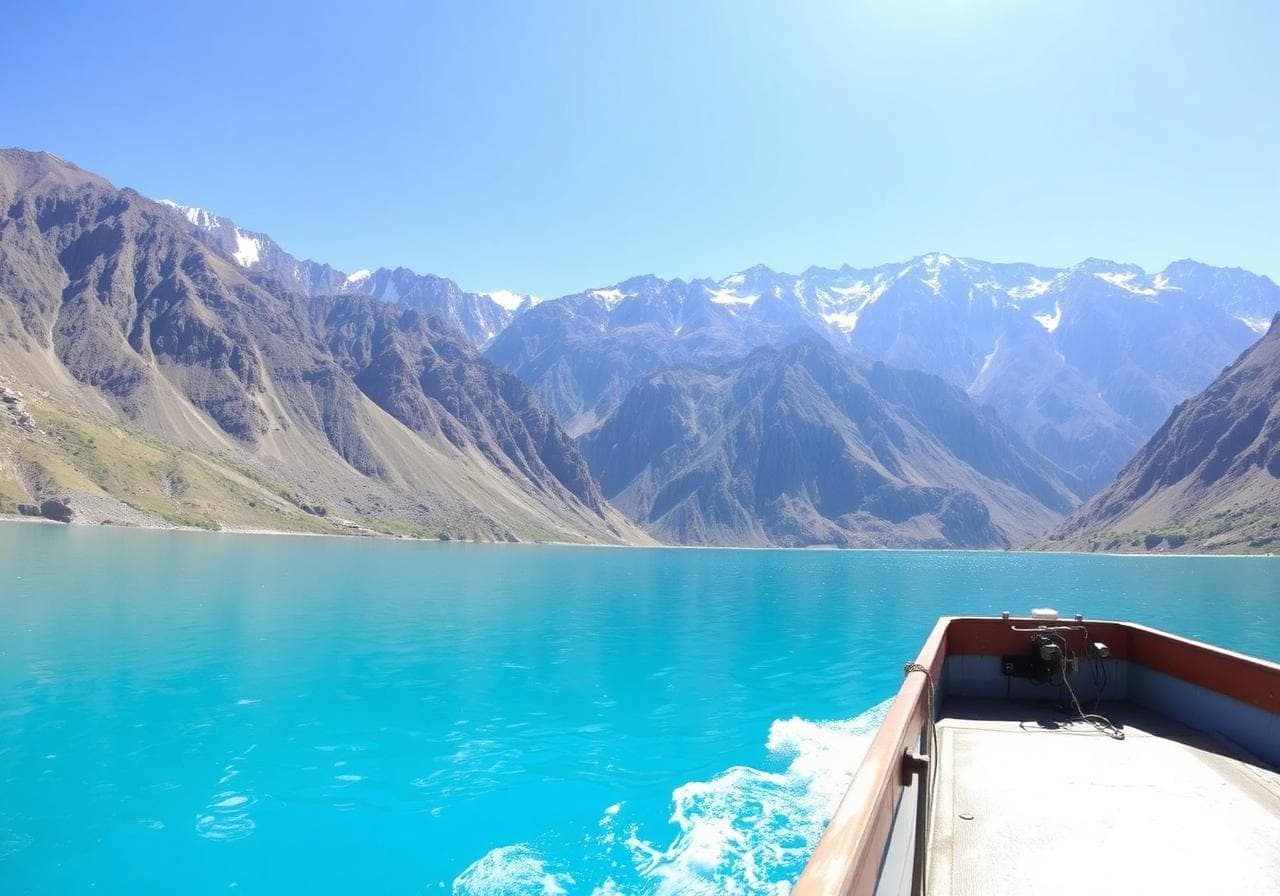
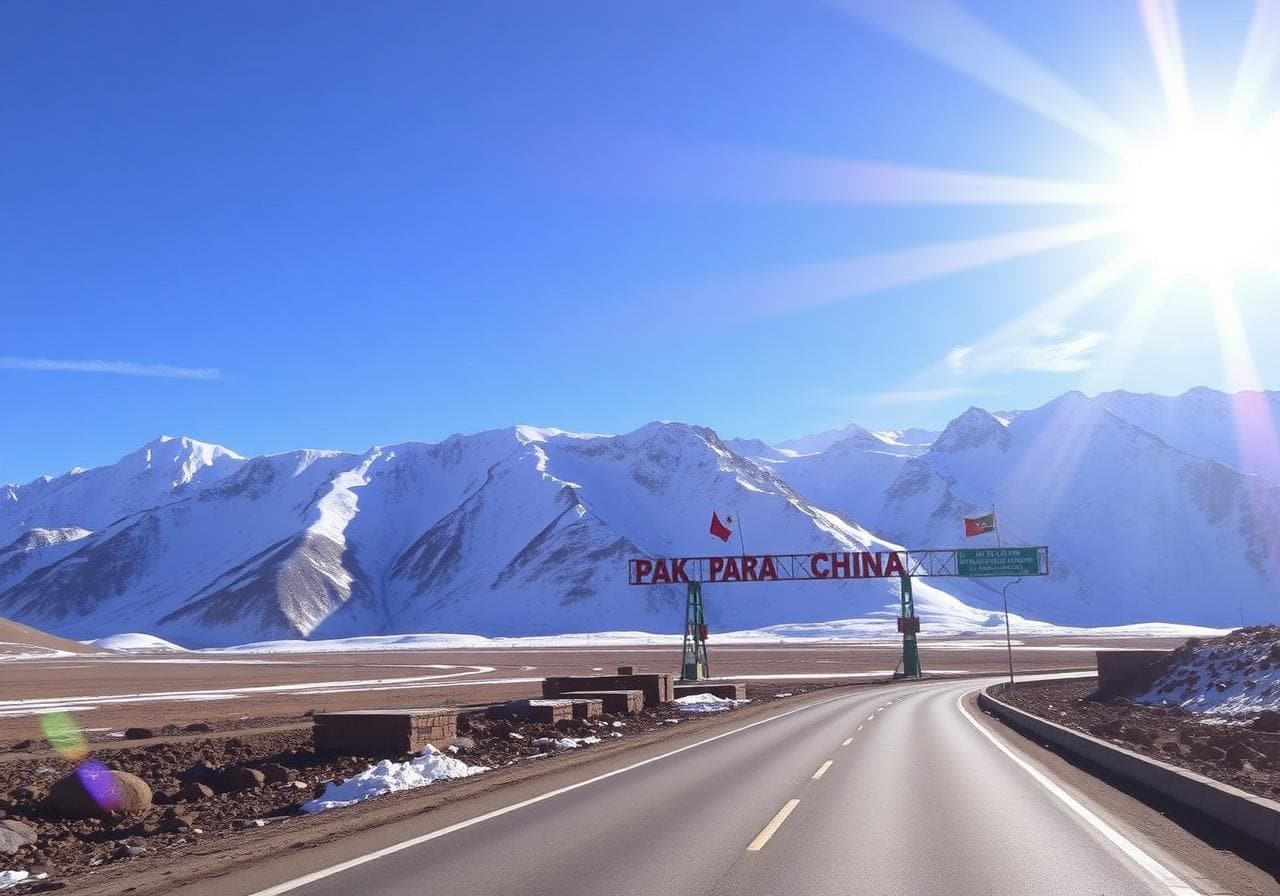
It is the drive from Islamabad up the Karakoram Highway to Khunjerab Pass at 4,693 m, the highest paved border crossing in the world. It passes Nanga Parbat, the junction of the Himalaya, Karakoram and Hindu Kush, Hunza and Attabad Lake. Eight to ten days does it properly. Pakistan Travellers runs it with its own drivers and vehicles.
The Karakoram Highway is the reason a lot of people come to Pakistan without being able to name a single town on it. It is a road with a reputation — built through the Karakoram at a cost in lives that is still commemorated along it, following the old Silk Road trading corridor, and topping out at a border post higher than any other paved crossing on earth. It earns the reputation.
| Leg | Why it earns a day |
|---|---|
| Islamabad → Naran or Chilas | Leaves the plains behind. Via the Kaghan valley and Babusar Pass when it is open, otherwise the Karakoram Highway through Besham. |
| Chilas → Gilgit | The Nanga Parbat viewpoint, the Indus gorge, and the junction where three of the world's great ranges meet. |
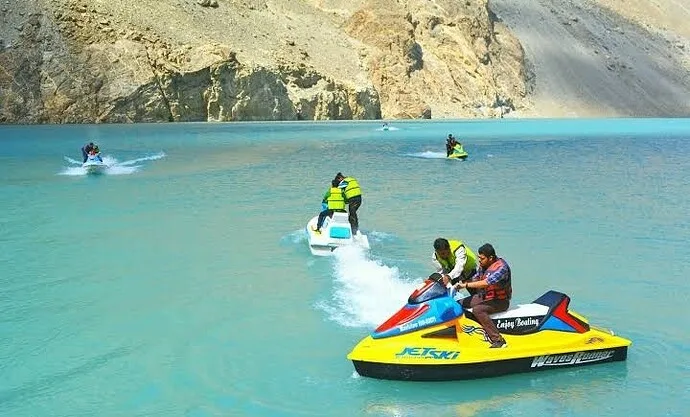
| Gilgit → Karimabad (Hunza) | Rakaposhi from the road, then Attabad Lake. The stretch most people picture when they picture the KKH. |
| Karimabad → Passu & Gulmit | The Passu Cones, Hussaini bridge and the Batura glacier snout. Short leg, worth its own day. |
| Passu → Khunjerab Pass → back | 4,693 m at the Chinese border, the highest paved border crossing in the world. A day trip up and down; nobody sleeps at the top. |
| Optional: Gilgit → Skardu | Leaves the KKH along the Indus for Baltistan — Shigar, Khaplu and Deosai. Adds several days and is worth them. |
We have not put driving times in that table on purpose. They depend on the road's condition on the day, on where construction is active, and — mostly — on how often you stop, which on this road is constantly. Any itinerary that promises you an exact number of hours on the KKH is guessing.
Eight to ten days from Islamabad gets you to Khunjerab and back without the trip becoming a commute. Under a week and you are driving past the things you came to see; people do it, and they arrive home with photographs of the road out of a car window.
The single most common regret we hear is not giving Hunza enough time. Karimabad, Altit and Baltit forts, Duikar for sunrise, Passu and Hussaini — that is three days on its own, and it is the part of the road everyone remembers. If something has to give, cut the far end rather than Hunza. Our Hunza tour packages are built around that pacing.
You are allowed to, and we will still tell you not to on a first visit. The KKH is narrow and exposed in sections, shares its lanes with cargo trucks whose conventions take time to read, and has landslide-prone stretches where the right decision is knowing when not to proceed. Almost every foreign visitor travels it with a driver.
The cost objection is smaller than people expect, because a vehicle with a driver is priced for the vehicle, not per seat — four people share the same figure two people would pay. There is also a practical dividend: a local driver gets you through checkposts in minutes rather than in a long conversation, and knows which side of a landslide to wait on. If you would rather have the wheel for part of it, our car rental options include self-drive on the easier lower sections.
Good news, and it surprises people: the whole highway including Khunjerab Pass is open to foreign tourists on a standard tourist visa. No No Objection Certificate, no special permission. What you will meet is checkposts recording foreign passports, which is registration and takes a few minutes — carry a printed copy and it is faster. The NOC system applies to glacier trekking routes, not to this road.
At the top, the pass is the border. Actually crossing into China needs a Chinese visa arranged well in advance, and the crossing is seasonal. Essentially everyone drives up, stands at the marker at 4,693 m, feels the altitude, and drives back down. Which is worth the day.
The highway runs year-round as far as Hunza, but Khunjerab closes for the winter and opens somewhere in late spring depending on the snow. July and August are the busiest months and also the ones carrying landslide risk from monsoon rain and snowmelt — the road is cleared rather than shut for a season, but it can cost you a day, and an itinerary with no slack in it breaks when that happens.
September is the best combination: the passes still open, the holiday traffic gone, and the summer haze cleared so the mountains are actually visible. See best time to visit Pakistan for the full month by month picture.
Start with your dates and how many of you there are, because both change the shape of the trip more than the route does. Then read the visa page, since that is the longest lead time on a KKH trip that involves no trekking permits.
Send us the window you can travel in on WhatsApp at +92 371 5303587 and we will tell you what is open in it and what a realistic day-by-day looks like — including when the answer is that your dates are too tight for the far end and Hunza would be the better trip.
Travel Expert
Our drivers work this road every season, with resident teams in Hunza and Skardu at either end of it.
Drag to browse — the row pauses while you read.
From your first WhatsApp message to final drop-off, we handle every detail so you can focus on the experience of a lifetime.
Operating Northern Pakistan tours since 2013. One of the most experienced GB operators.
Families, couples and corporate groups guided across the Karakoram since 2013.
A registered business invoicing under a company account. Travel insurance is not included — every package lists it under exclusions, and we recommend you arrange your own.
Resident teams in Hunza and Skardu give you real-time road updates and same-day pivots.
While you are travelling, the WhatsApp line is answered around the clock — usually inside five minutes.
Gilgit-Baltistan locals who run the Karakoram Highway, the Deosai crossing and the Raikot jeep track year-round.
Every trip is private — your own vehicle and driver, never a shared coach. Child-friendly hotels, and the pace is planned around the youngest and oldest in the group.
Book online and receive your confirmed itinerary on WhatsApp within 30 minutes.
Office PD 447, Line No. 6, Rawalpindi
Shigar Hashupi, near Hashupi Bagh
We provide 24/7 emergency support via WhatsApp for all actively travelling guests.