Family
10-Day Gilgit-Baltistan Family Tour (By Air)
Skardu • Hunza • Gilgit 10 Days / 9 Nights 4.9
PKR 417,500for the group
about $1,502
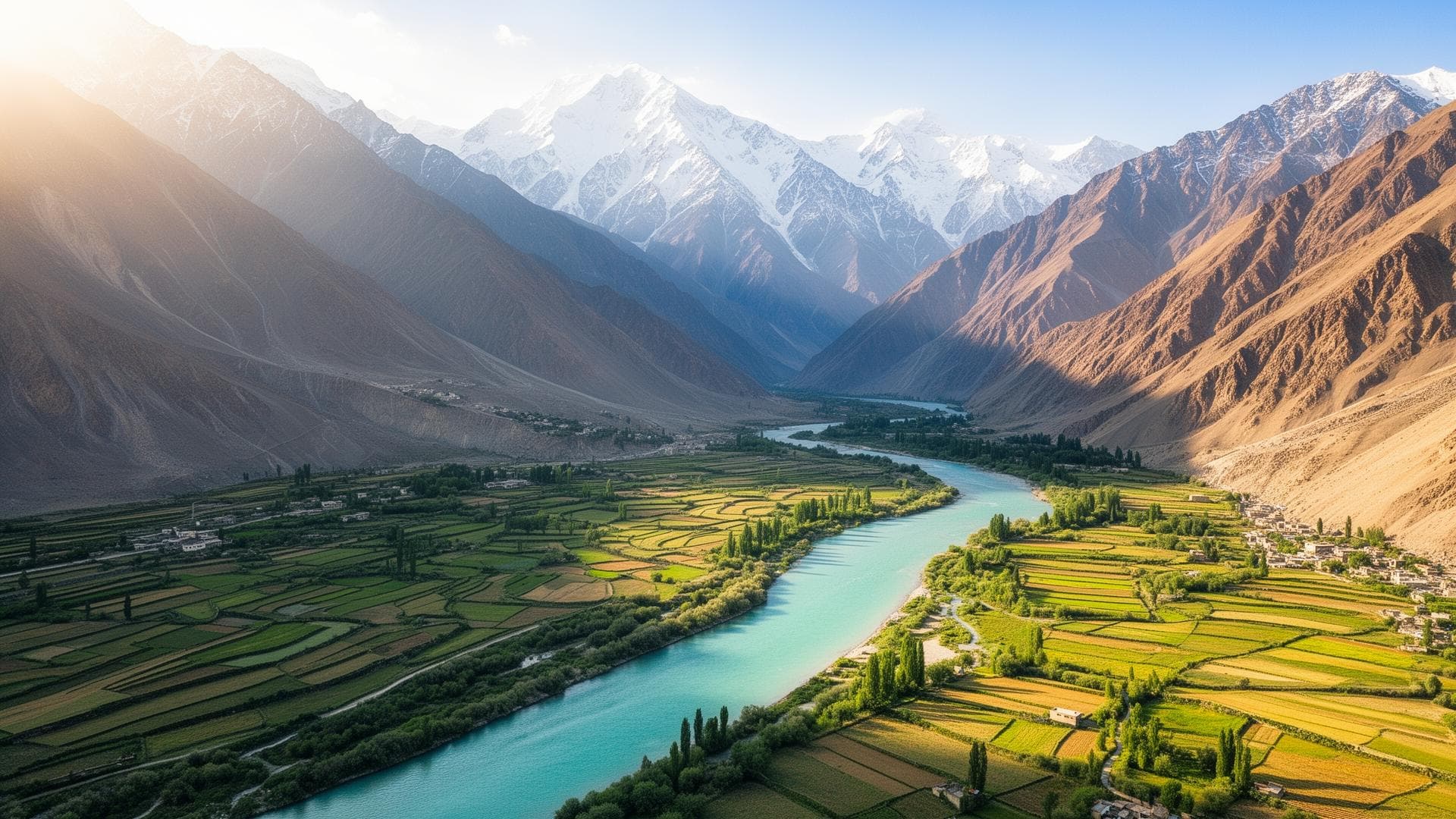
Snow on a cold desert, the clearest light of the year, and an honest word about getting in and out.
Snow usually begins in late November or December and lies through February, heaviest in January. Skardu stays visitable: hotels remain open, the light is the clearest of the year and the valley is almost empty. The catch is access — the flight is weather-dependent and the road is long — so a winter trip needs spare days built in.
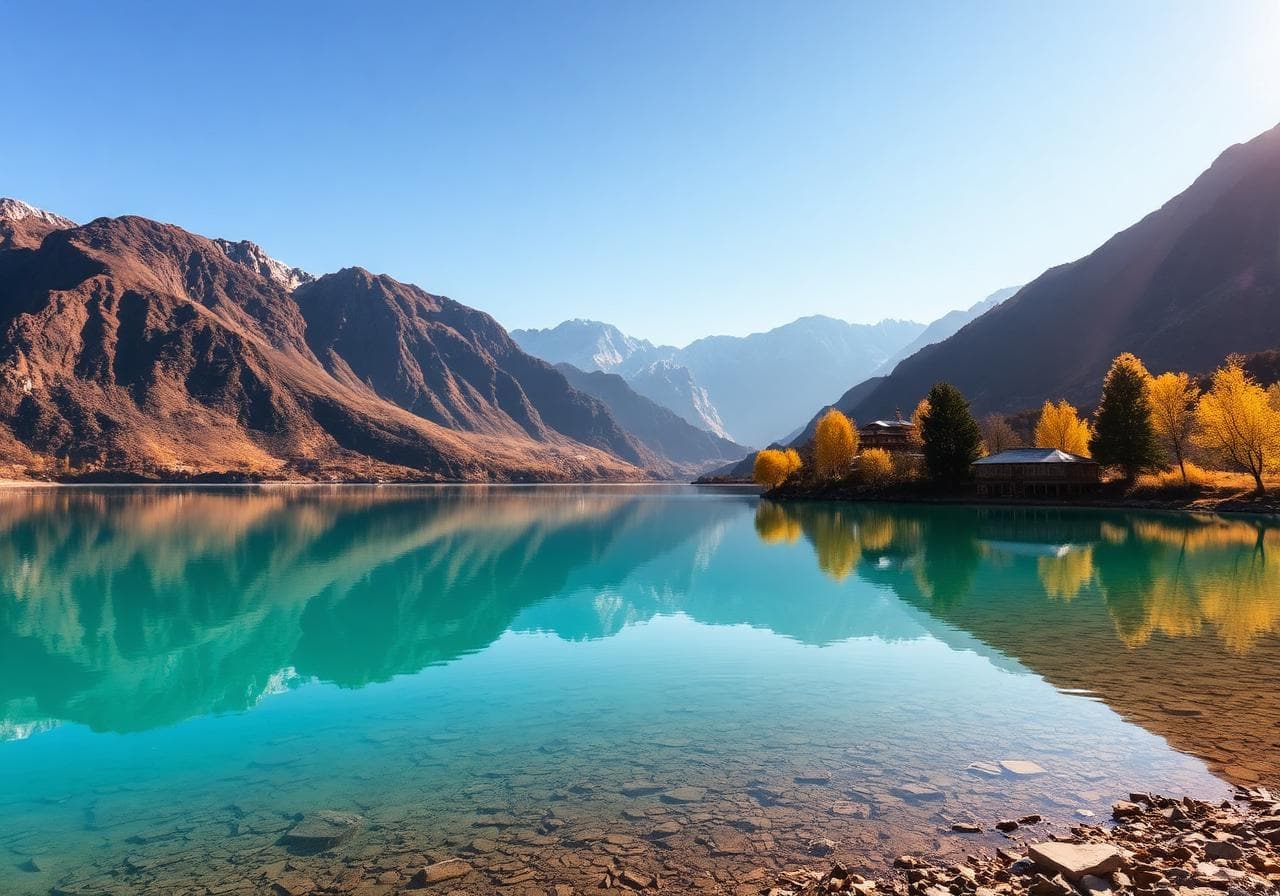
Skardu in winter is a strange and very beautiful proposition: a high desert, sand dunes and all, buried under snow, with the Karakoram standing over it in air so clear the peaks look an hour away. Almost nobody goes. That is most of the appeal, and it is also a warning — the reasons few people go are real, and they are about getting in and out rather than about being there.
The first falls usually arrive in late November or December. January is the deepest month, February still firmly winter, and March begins the thaw with the roads clearing before the high country does. The exact dates move year to year, as they do everywhere in these mountains.
What surprises people is how much blue sky sits between the falls. Baltistan is a cold desert, not a snow belt — precipitation is low, so a heavy fall is often followed by days of hard, bright, cloudless cold. That combination is why photographers who have been once tend to come back.
The Katpana cold desert. The highest desert of its kind anywhere, and under snow it does something no photograph prepares you for: dunes with drifts on their lee sides, running straight up to snowfields. This is the winter sight, and unlike the frozen lakes it does not depend on the year being cold enough.
The Kachura lakes. Upper Kachura freezes over in a hard winter; Lower Kachura, inside the Shangrila grounds, partly. Whether you find them solid is a matter of the season you happen to get, so it is worth treating as a bonus. Shangrila itself stays open and is a strange, quiet place in January.
Shigar and Khaplu. Both valleys stay reachable and both are better in winter than their summer photographs suggest — Shigar Fort with snow on the roofs, and the drive east along the Shyok with the river running low and green. Our office is in Shigar, which is the practical reason we can run this season at all. See Skardu tour packages for the routes these sit on.
Manthokha falls partly freezes, and the Sadpara road climbs to a reservoir with the Deosai wall behind it — as close to the plateau as anyone gets until June.
Deosai shuts for the season and stays shut. The plateau sits above four thousand metres and does not reopen until early summer, so a winter itinerary offering Deosai is offering something that does not exist. The same applies to the Astore and Rama side.
Some guesthouses outside the town close entirely. Those that stay open often heat rooms for the evening rather than around the clock, and hot water can be a schedule rather than a tap — which is a thing to ask about when booking rather than to discover at seven in the morning.
This is the part that decides whether a winter trip works, and it is where most winter marketing goes quiet.
The flight from Islamabad is spectacular and it is weather-dependent all year. In winter it is cancelled more often. Fly if you can — the alternative is long — but book with the assumption that you may lose a day at either end, and never put an onward international connection on the day you are due out. That single piece of advice has saved more of our clients' trips than anything else on this page.
The road runs from Islamabad up the Karakoram Highway to Gilgit and then east into Baltistan. The KKH is cleared year round; the Gilgit–Skardu road normally stays passable but can shut for a day or two after heavy snow. It is a long drive in good conditions and a longer one in winter, so we route it over two days rather than one and do not pretend otherwise. Our by air versus by road guide sets out both properly.
The practical answer for most people: fly in, keep two spare days in the plan, and accept the road as the fallback rather than the intention.
Below freezing through most of the day and considerably colder after dark, with the ground above the town colder again. This is not a Murree winter and thin layers do not work: bring real insulation, a hat and gloves you can use a camera in, and boots that keep out wet snow.
Two things people forget. Batteries die fast in this cold, so carry spares inside your jacket. And the dry air at altitude dehydrates you even when you do not feel hot — drink more than instinct suggests. Our first-time visitor guide covers the rest of the practical ground.
If you have already seen Baltistan in summer, yes, without qualification — it is a different country under snow and you will have it to yourself. If it would be your first visit to northern Pakistan, we would gently suggest coming in the open season first, and saving winter for the trip after. Not because it cannot be done, but because a first visit spent watching the weather for a flight is not the introduction the place deserves.
For the rest of the year, best time to visit Pakistan lays out the season month by month, autumn in Skardu covers the golden season immediately before this one, and spring cherry blossom brings the thaw. If you are weighing up winter dates, message us on WhatsApp at +92 371 5303587 and we will tell you what the roads and the flight are actually doing that week.
Travel Expert
We keep an office in Shigar and run Baltistan through the winter, not only in season.
Drag to browse — the row pauses while you read.
From your first WhatsApp message to final drop-off, we handle every detail so you can focus on the experience of a lifetime.
Operating Northern Pakistan tours since 2013. One of the most experienced GB operators.
Families, couples and corporate groups guided across the Karakoram since 2013.
A registered business invoicing under a company account. Travel insurance is not included — every package lists it under exclusions, and we recommend you arrange your own.
Resident teams in Hunza and Skardu give you real-time road updates and same-day pivots.
While you are travelling, the WhatsApp line is answered around the clock — usually inside five minutes.
Gilgit-Baltistan locals who run the Karakoram Highway, the Deosai crossing and the Raikot jeep track year-round.
Every trip is private — your own vehicle and driver, never a shared coach. Child-friendly hotels, and the pace is planned around the youngest and oldest in the group.
Book online and receive your confirmed itinerary on WhatsApp within 30 minutes.
Office PD 447, Line No. 6, Rawalpindi
Shigar Hashupi, near Hashupi Bagh
We provide 24/7 emergency support via WhatsApp for all actively travelling guests.