Family
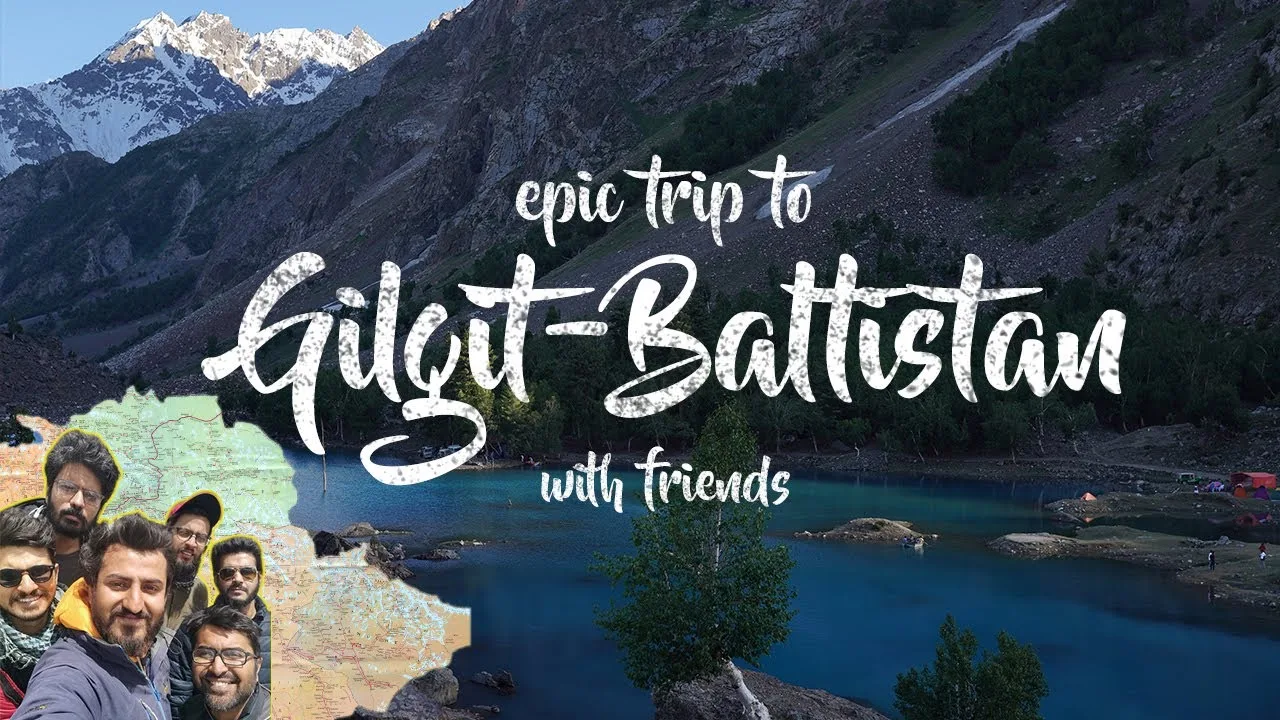
10-Day Gilgit-Baltistan Family Tour (By Air)
Skardu • Hunza • Gilgit 10 Days / 9 Nights 4.9
PKR 417,500for the group
about $1,500 · rate of 10 Sep 2026
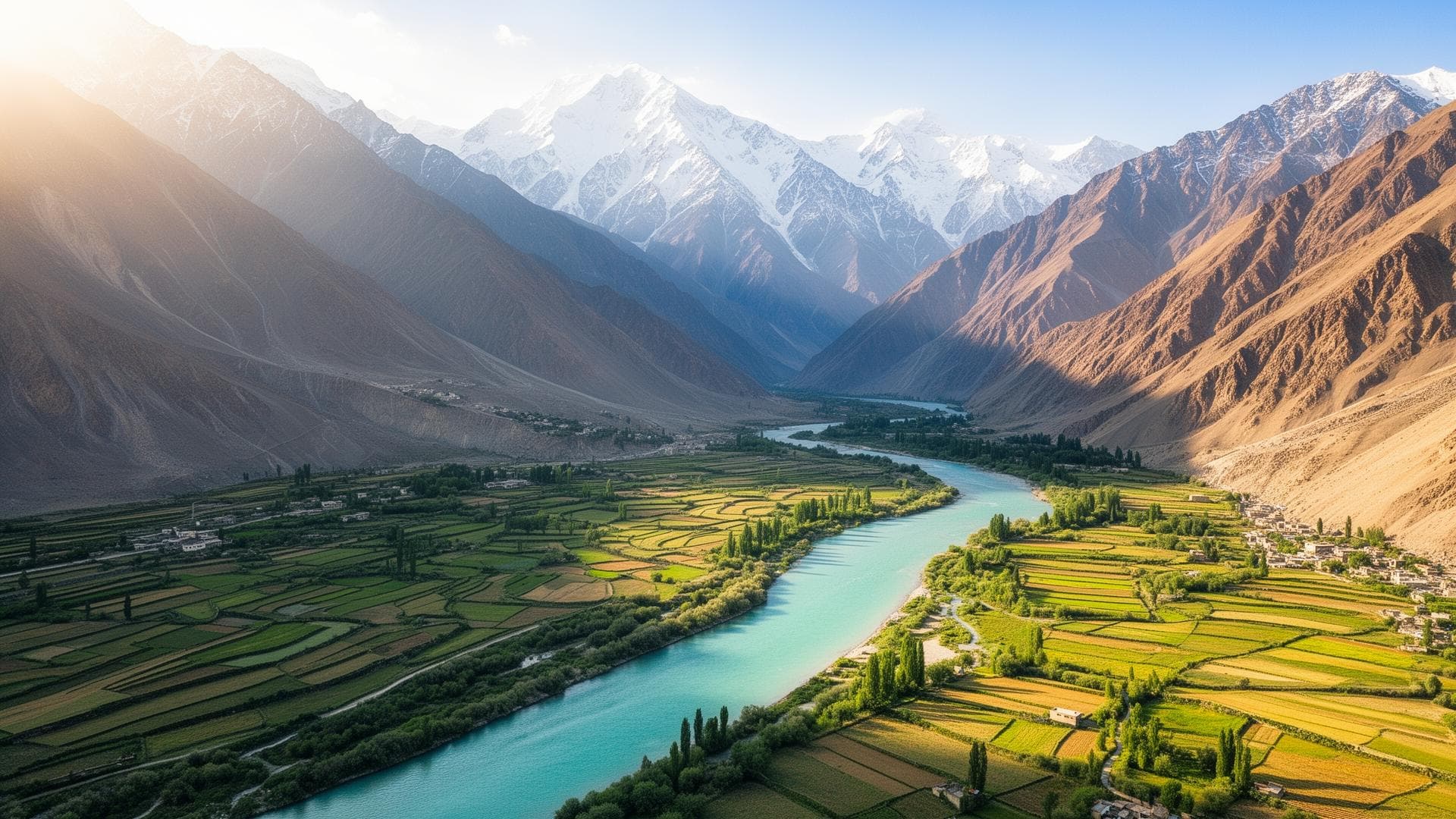
An honest, practical guide for anyone planning their first trip to Pakistan in 2026.
Pakistan is one of the most rewarding and misunderstood travel destinations in Asia. The mountains are among the highest in the world, the hospitality is genuinely overwhelming, and tourism infrastructure has improved dramatically over the last decade. But it's also a country where a few hours of preparation can transform your trip. Here is everything we wish every first-time visitor knew before arriving.
Pakistan's e-visa system covers more than 175 nationalities and most applications are approved within 7–10 days. Apply on the official NADRA e-visa portal — fees range USD 35–60 depending on visa type. You'll need a passport valid for 6+ months, a return ticket, hotel bookings or a Letter of Invitation from a registered tour operator (we issue these for booked clients). Visa-on-arrival exists for some nationalities but is unreliable — always get the e-visa. The whole process, including what an invitation letter has to contain and what your visa does not cover in the north, is set out on our Pakistan visa for tourists page.
The Pakistani Rupee (PKR) is the only currency you can spend. International cards work at major hotels and a handful of restaurants in Islamabad, Lahore and Karachi, but most of the country is cash-only. Withdraw from ATMs in Islamabad or major cities (HBL, MCB and Standard Chartered ATMs accept Visa and Mastercard, with PKR 50,000 typical limit per transaction). Carry a backup card and some USD as emergency currency.
The regions tourists actually visit are not where Pakistan's security problems are. The real risks on a northern trip are road accidents (hire experienced drivers, avoid night driving), altitude sickness and stomach upsets from unfamiliar food — in that order. Avoid border areas with Afghanistan and the western tribal districts. Register with your embassy if you'll be travelling independently. We have written the long answer, including the areas we decline to operate in, on is Pakistan safe for tourists.
Pakistan is a Muslim-majority country. Both men and women should dress modestly — covered shoulders, no shorts in public, no tight or revealing clothing in conservative areas. Women don't need to wear a headscarf in most places but should carry one for mosques and rural villages. Hunza is the most liberal region; KPK and South Punjab are more conservative. Greet with "Assalamu Alaikum" and accept tea when offered — refusing is genuinely rude.
Buy a tourist SIM at Islamabad or Lahore airport — Jazz, Zong and Telenor are the main networks. You'll need your passport. Data is cheap (about PKR 1,000 for 20 GB monthly). For the mountains north of Gilgit, only SCOM works — buy a separate SCOM SIM in Gilgit if you're going into Hunza or Skardu. Hotel WiFi is generally good but slow.
For cities, use Careem or InDriver (Pakistan's Uber equivalents) — cheap, safe and easy. For inter-city, AirSial and Serene Air run good domestic flights. For mountain trips, always hire a private chauffeured vehicle. Self-driving is not recommended for first-timers — Pakistani road behaviour is unforgiving and rural roads need experienced local drivers.
Pakistani food is amazing — biryani, karahi, nihari, chapli kebab, halwa puri breakfast, fresh trout in the north, and an endless variety of bread and chutneys. Eat at busy, popular restaurants where turnover is high. Avoid raw salads and street-cart water. Stick to bottled water always. Try Hunza apricot cake, Karachi nihari and Lahore daal at least once.
March–May: Spring across the country — blossoms in Hunza, mild weather in Punjab.
June–September: Peak mountain season. All northern roads open. Hot in plains (Lahore can hit 45°C).
October–November: Best overall season — pleasant everywhere, autumn colours in the north.
December–February: Cold in the north, comfortable in Punjab and Karachi.
Ready to plan your first Pakistan trip? Explore our curated tour packages or message us on WhatsApp for visa-letter support and a custom itinerary.
Travel Expert
We host hundreds of international and domestic first-timers every year.
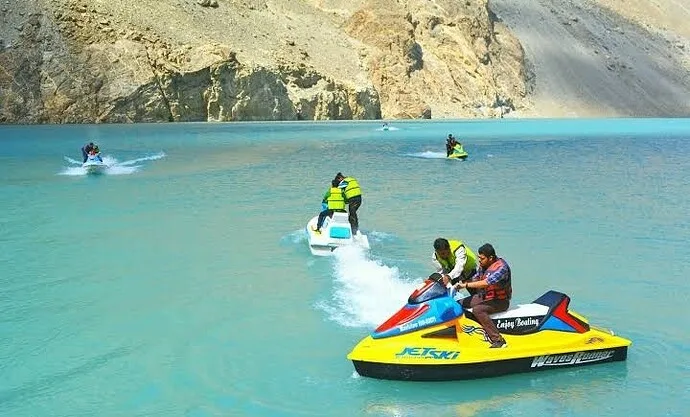
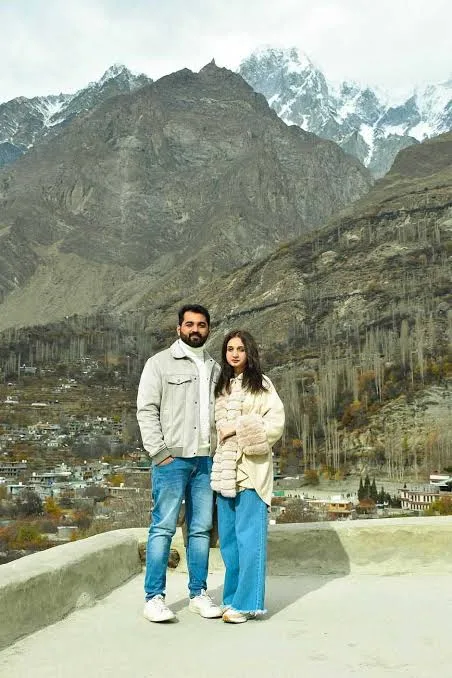
Drag to browse — the row pauses while you read.
From your first WhatsApp message to final drop-off, we handle every detail so you can focus on the experience of a lifetime.
Operating Northern Pakistan tours since 2013. One of the most experienced GB operators.
Families, couples and corporate groups guided across the Karakoram since 2013.
A registered business invoicing under a company account. Travel insurance is not included — every package lists it under exclusions, and we recommend you arrange your own.
Resident teams in Hunza and Skardu give you real-time road updates and same-day pivots.
While you are travelling, the WhatsApp line is answered around the clock — usually inside five minutes.
Gilgit-Baltistan locals who run the Karakoram Highway, the Deosai crossing and the Raikot jeep track year-round.
Every trip is private — your own vehicle and driver, never a shared coach. Child-friendly hotels, and the pace is planned around the youngest and oldest in the group.
Book online and receive your confirmed itinerary on WhatsApp within 30 minutes.