Family
10-Day Gilgit-Baltistan Family Tour (By Air)
Skardu • Hunza • Gilgit 10 Days / 9 Nights 4.9
PKR 417,500for the group
about $1,502
A straight answer from an operator who drives these roads every week — including the parts we will not take you to.
The northern regions tourists actually visit — Hunza, Skardu, Gilgit-Baltistan and the Karakoram Highway — are not where Pakistan's security problems are, and foreign travellers move through them routinely. On a northern trip the genuine risks are mountain roads, altitude and weather. Pakistan Travellers has run these routes since 2013 and declines the border regions that remain unsuitable.
This question deserves better than the answer a tour company usually gives it. "Yes, completely safe, come on over" is not credible from the party being paid to say it, and you would be right to discount it. So here is the version we would want if we were the ones booking: what is actually risky, what is not, and where we say no.
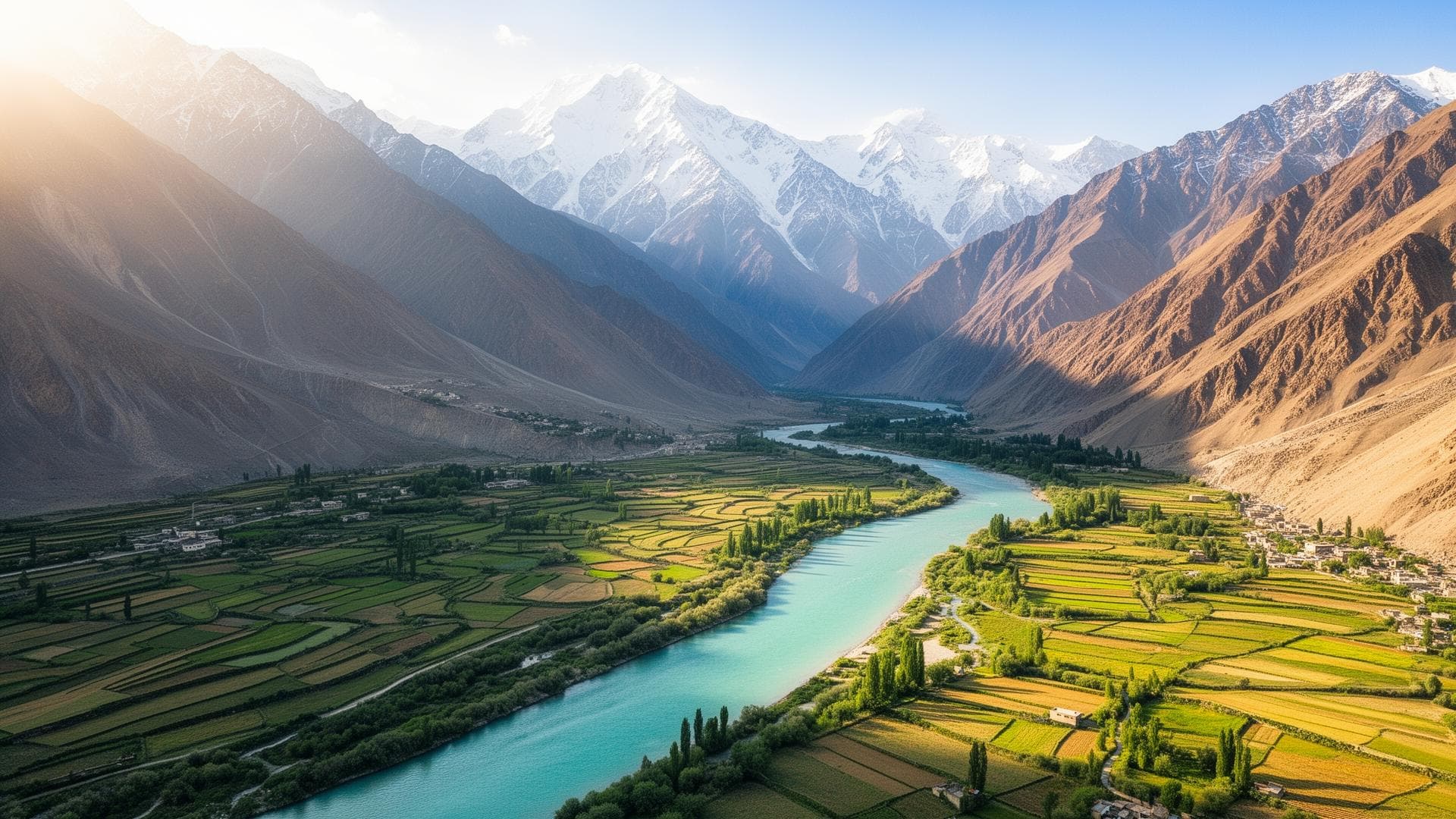
The single most useful thing to understand is that "Pakistan" covers a country the size of France and Germany combined, and the security picture in one corner of it tells you nothing about another. The districts that generate international headlines sit along the Afghan border and in parts of interior Balochistan. The valleys tourists come for — Hunza, Nagar, Skardu, Shigar, Khaplu, Astore, Ghizer — are five hundred to a thousand kilometres away, behind the Karakoram, and have a completely different history.
Gilgit-Baltistan in particular has a tourism economy that its own communities depend on and protect. That is not a sentimental point. It is why a foreign passport in Hunza is treated as a guest rather than a curiosity, and why the practical experience of travelling there is closer to Nepal than to anything the word "Pakistan" evokes from a distance.
We think an operator's refusals say more than its reassurances, so ours are written down. We do not run leisure trips into the districts bordering Afghanistan or Iran, or into interior Balochistan. If someone asks us for an itinerary through them we say no rather than quoting it.
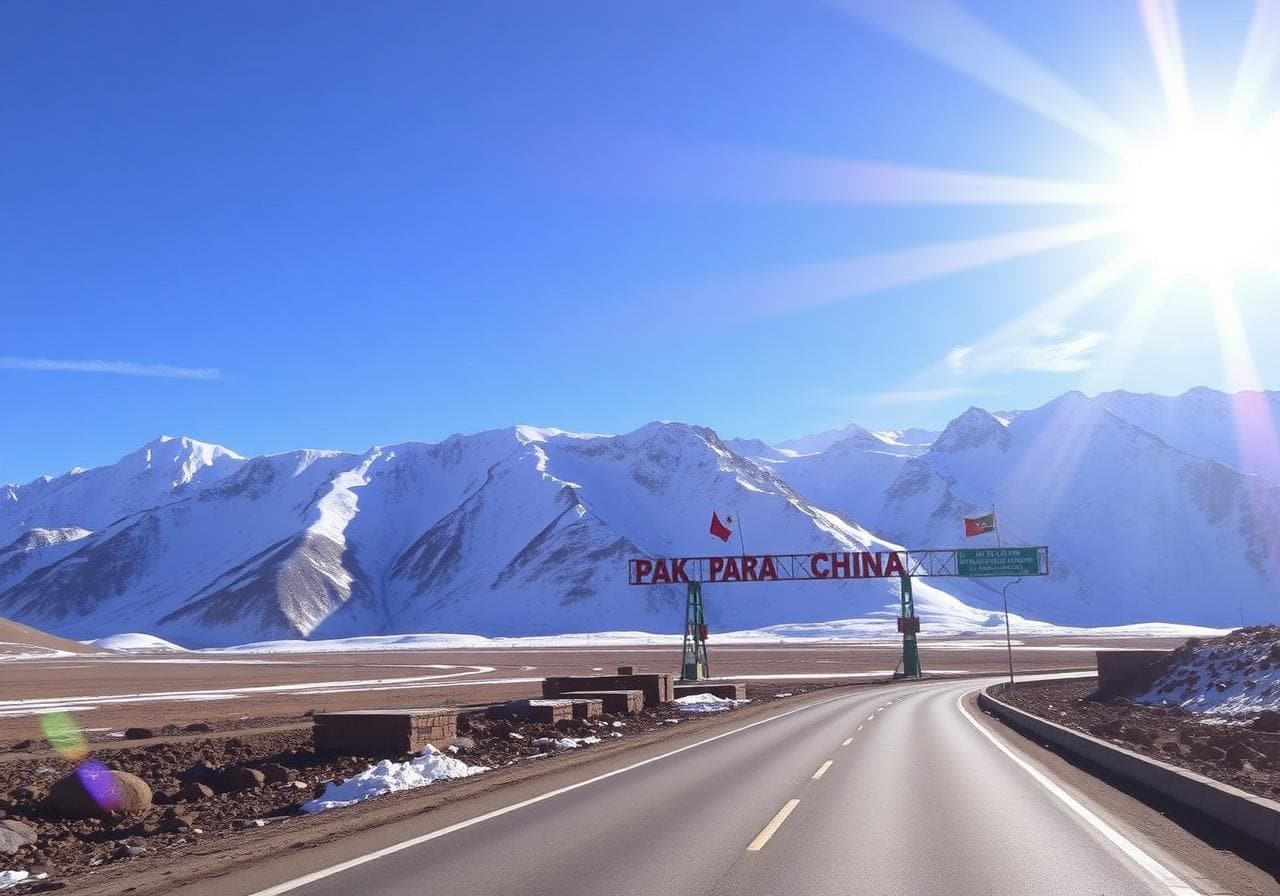
Nothing on a standard northern itinerary goes near any of that. Islamabad to Naran, Babusar, Chilas, Gilgit, Hunza, Khunjerab, Skardu and Deosai is a corridor with a long, uninterrupted record of carrying foreign visitors, and it is the corridor essentially every trip we sell uses.
The road, first and by a distance. The Karakoram Highway is a genuine mountain highway — narrow in sections, exposed above the Indus, and shared with cargo trucks. Landslides close it after heavy rain and during snowmelt. Nearly every serious incident involving a tourist in the north is a vehicle incident, and the variable is the driver. This is the entire reason our drivers are hired for mountain experience rather than availability, and why we run our own vehicles instead of subcontracting whatever is free that week.
Altitude, second. Khunjerab Pass is 4,693 m and Deosai sits above 4,000 m. People who fly into Skardu and drive straight up on the same day feel it, and a proportion of them lose a day of the trip to it. An itinerary that gains height gradually is not padding; it is the difference between seeing Deosai and lying down in a guesthouse while everyone else does.
Weather and the calendar, third. High passes and jeep tracks are seasonal. Deosai is under snow into early summer. A trip planned without slack for a closed road is a trip that breaks when the road closes — see our best time to visit Hunza guide for what opens when.
Solo women travel in northern Pakistan, and a good number describe it as among the most hospitable places they have been. That is worth stating plainly, and so is the qualifier: the difficulty is rarely danger and almost always attention. Expect to be looked at, photographed without being asked, and questioned about your marital status by strangers who mean nothing by it.
Most solo women who book with us take a private vehicle with a driver rather than public transport, which removes the large majority of that friction and is not expensive when it is a car you would be hiring anyway. Guesthouses in Hunza and Skardu are used to foreign women travelling alone. Dress is a courtesy question rather than a safety one — loose clothing and a scarf to hand is enough almost everywhere in the north.
Register your trip with your embassy if your country offers it. Carry a printed copy of your visa and passport separately from the originals — checkposts on the KKH record foreign passports and it moves faster with a copy. Do not plan a same-day connection out of Skardu on your last morning, because the flight is weather-dependent and the road out is a long day. And tell your operator your dates before you buy anything international, so someone who knows the season can tell you whether it works.
If you have a specific worry about a specific route, ask us about that route. Message +92 371 5303587 and you will get an answer about the actual road rather than a brochure. Our international visitors policy covers the booking side, and the visa page covers getting here in the first place.
Travel Expert
Operating in Gilgit-Baltistan since 2013, with resident teams in Hunza and Skardu and our own vehicles and drivers.
Drag to browse — the row pauses while you read.
From your first WhatsApp message to final drop-off, we handle every detail so you can focus on the experience of a lifetime.
Operating Northern Pakistan tours since 2013. One of the most experienced GB operators.
Families, couples and corporate groups guided across the Karakoram since 2013.
A registered business invoicing under a company account. Travel insurance is not included — every package lists it under exclusions, and we recommend you arrange your own.
Resident teams in Hunza and Skardu give you real-time road updates and same-day pivots.
While you are travelling, the WhatsApp line is answered around the clock — usually inside five minutes.
Gilgit-Baltistan locals who run the Karakoram Highway, the Deosai crossing and the Raikot jeep track year-round.
Every trip is private — your own vehicle and driver, never a shared coach. Child-friendly hotels, and the pace is planned around the youngest and oldest in the group.
Book online and receive your confirmed itinerary on WhatsApp within 30 minutes.
Office PD 447, Line No. 6, Rawalpindi
Shigar Hashupi, near Hashupi Bagh
We provide 24/7 emergency support via WhatsApp for all actively travelling guests.