Trekking
Fairy Meadows & Hunza — 7 Days (By Road)
Fairy Meadows • Hunza 7 Days / 6 Nights 4.8
PKR 286,500for the group
about $1,031
Month-by-month temperatures, view conditions and packing for the alpine climate below Nanga Parbat.
Fairy Meadows sits at roughly 3,300 metres, so the climate is alpine: July and August days reach 15-25C while nights fall to 6-10C, and September nights drop toward freezing. Pakistan Travellers treats late June to September as the only practical window, since snow shuts the jeep track and trek from October to April.
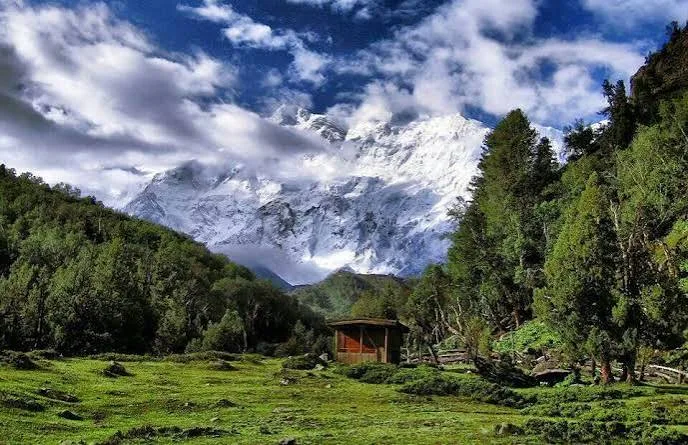
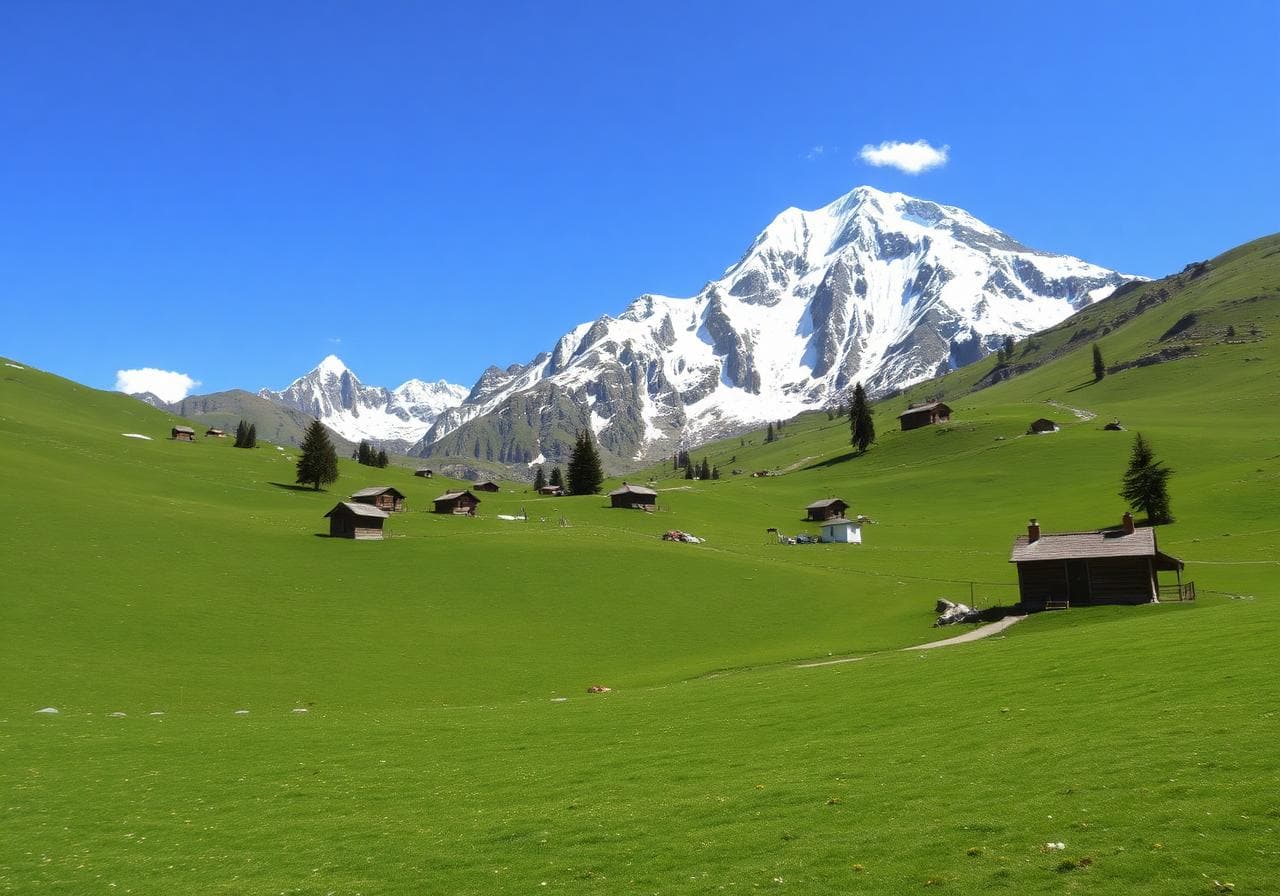
Fairy Meadows sits at roughly 3,300 metres on a grassy shelf directly facing the Raikot Face of Nanga Parbat (8,126m). At that altitude the weather is genuinely alpine and changes fast: warm sun by day, near-freezing nights even in midsummer, and a short season when the place is reachable at all. Getting the timing and packing right is the difference between clear mountain views and a cold, soggy disappointment. This guide breaks down the climate month by month from an operator who runs the trip every season.
Most people who leave Fairy Meadows unhappy got the weather wrong, not the place. They arrived in the afternoon when cloud had already swallowed the peak, or they came in shorts and a hoodie and shivered through the night. The valley faces north toward Nanga Parbat, so it stays in shadow for part of the day and loses heat quickly once the sun drops. Understanding the rhythm of the climate — and the very short window when the route is open — lets you plan a trip that actually delivers the view you came for.
The practical season for Fairy Meadows is roughly late June through September. Outside this window the high section of the trek and the upper jeep track hold snow, and the wooden huts are shut. May can sometimes work in a low-snow year but the trail above Tato is often still icy and muddy. From October onwards snow starts to close the route, and by deep winter (roughly November to April) the area is effectively sealed off. If a tour operator offers you a guaranteed Fairy Meadows trip in January, be sceptical — they cannot control the snow.
The single most surprising thing for first-time visitors is the swing between day and night. In direct July sun you may walk in a t-shirt and feel hot. Then the sun slips behind the ridge around late afternoon and the temperature can fall by 15°C within an hour or two. Nights in peak summer hover between 5°C and 10°C; in September they sit around freezing. If you are staying in the wooden huts you will want thermals and a warm jacket, and if you are camping a proper three-season sleeping bag rated to around 0°C or lower is non-negotiable. Mornings are cold but usually still — perfect for photography before the day warms up.
Nanga Parbat is the whole reason to come, and clouds are its biggest enemy. The reliable pattern across summer is clear early mornings and building cloud through the afternoon. Heat rising off the valleys feeds afternoon cloud and the occasional thunderstorm, which often hides the peak from roughly midday onward. The practical lesson: do not plan a day trip. Stay at least one night so you can step out at dawn when the mountain is most likely to be fully exposed and lit by the rising sun. September days tend to be the clearest of the season, with less afternoon cloud build-up than July and August.
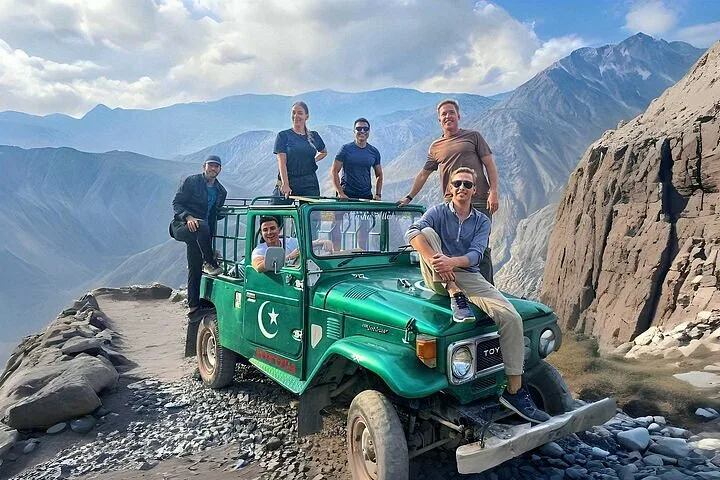
The Raikot Bridge to Tato village jeep track is unpaved, narrow and steep, and weather changes its character. After heavy rain or early-season snowmelt sections can become slick and prone to small slides, and drivers sometimes wait out the worst of it. From Tato the trek up to Fairy Meadows takes roughly 2–3 hours on foot; in wet conditions the path turns muddy and the stream crossings run higher. None of this makes the route impassable in season, but it does mean you should build a little buffer into your plans and not schedule a tight onward connection on your descent day. Early in June and again in late September, an unexpected snow flurry up high can briefly halt movement.
At 3,300m the air holds noticeably less oxygen than the cities most visitors arrive from. The majority of healthy travellers feel fine, but a mild headache, shortness of breath on the climb, or a restless first night are all common and usually pass. Walk the trek up slowly rather than racing it, stay well hydrated, eat properly and skip alcohol on your first evening. If you push on toward Nanga Parbat Base Camp at around 3,900m, give yourself an easy pace and turn back if anyone develops a worsening headache, nausea or unusual fatigue. Children and older travellers manage the altitude well in our experience, as long as the ascent is gentle and unhurried.
Ready to time it right? Browse our Fairy Meadows tour package for season-matched departures with jeep transfers, porters and warm hut accommodation already arranged, so all you have to think about is being out at dawn for the view.
Northern Pakistan Tour Operators
We have been running guided trips to Fairy Meadows and the Nanga Parbat region since 2013, and this guide reflects what our drivers and guides see on the ground each season.
Drag to browse — the row pauses while you read.
From your first WhatsApp message to final drop-off, we handle every detail so you can focus on the experience of a lifetime.
Operating Northern Pakistan tours since 2013. One of the most experienced GB operators.
Families, couples and corporate groups guided across the Karakoram since 2013.
A registered business invoicing under a company account. Travel insurance is not included — every package lists it under exclusions, and we recommend you arrange your own.
Resident teams in Hunza and Skardu give you real-time road updates and same-day pivots.
While you are travelling, the WhatsApp line is answered around the clock — usually inside five minutes.
Gilgit-Baltistan locals who run the Karakoram Highway, the Deosai crossing and the Raikot jeep track year-round.
Every trip is private — your own vehicle and driver, never a shared coach. Child-friendly hotels, and the pace is planned around the youngest and oldest in the group.
Book online and receive your confirmed itinerary on WhatsApp within 30 minutes.